About the Event
Imagine gazing for two days into the future … and into other worlds. Then, imagine everything changing because you do.
That’s what a group of accomplished women scientists, specialists, consultants, and astronauts—hosted by the Women’s Leadership Center at Williams Bay (WLC)—explored in a special forum focused on space and astrophysics in November 2025. The group’s mission: To explore the current state of women’s leadership in space and related fields and identify opportunities and challenges for women as they seek greater input and impact.
Just to hold such a gathering is significant: The story of women trying to participate fully in space exploration and gain recognition for their contributions is threaded with disappointment and deferred dreams. Starting in the 1930s with hundreds of women working as “human computers” for the National Advisory Committee for Aeronautics, gifted females helped put men into orbit and fly them to the moon while being denied the opportunity to even apply for flight training. (That ended in 1983 when Sally Ride became the U.S.’s first female astronaut.) Centuries before that, women astronomers struggled to gain acknowledgement for their discoveries, measurements, and calculations while watching the skies.
Fortunately, many more women are now participating in space exploration and related sciences. In fact, when NASA announced its 45th class of new astronauts in September 2025, six of the 10 chosen from more than 8,000 applicants were women. So, there are signs of progress. Yet as global interest and investments in space increase exponentially, women must keep stepping up if they want to participate powerfully.
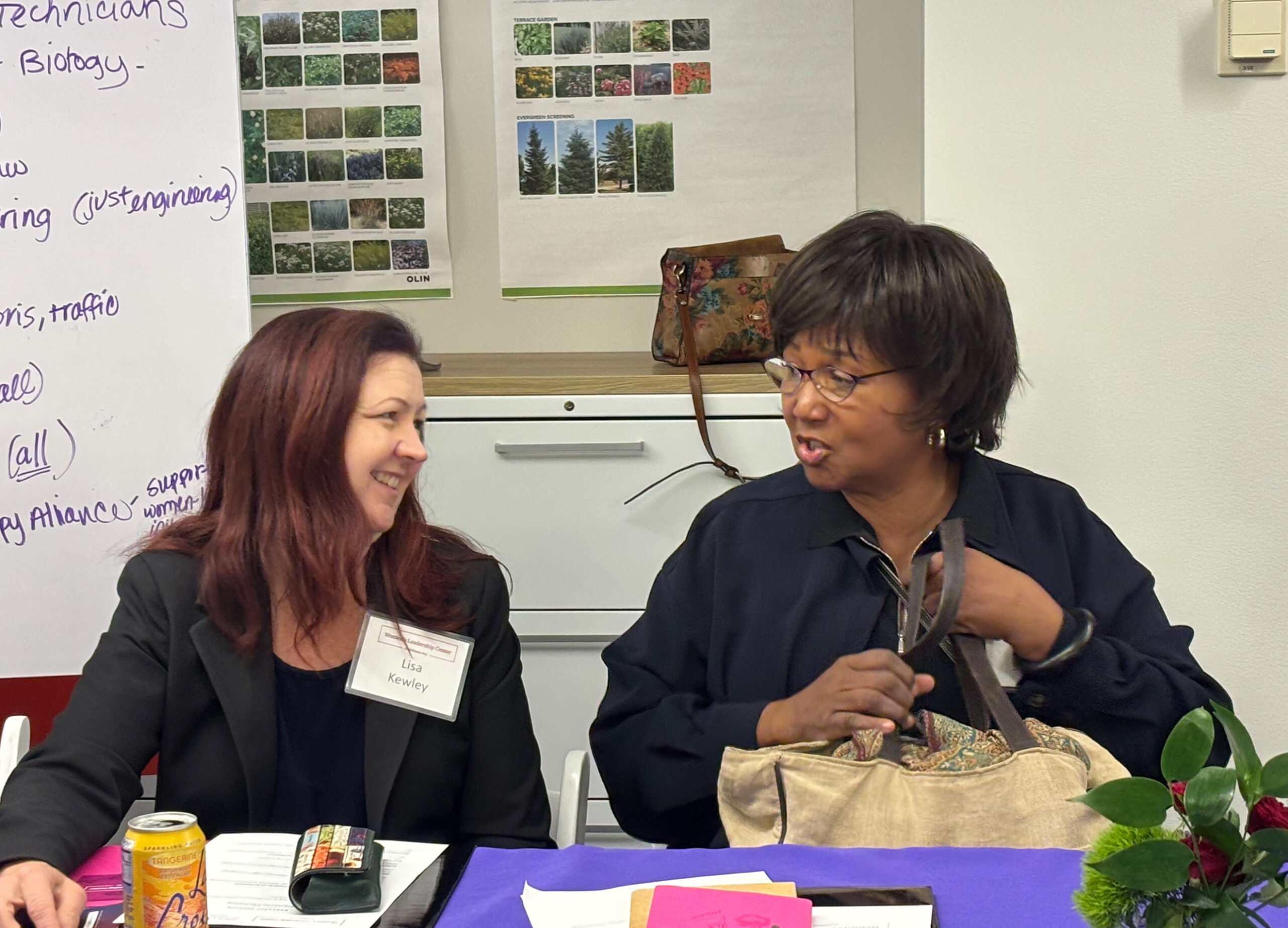
How to do that? The women attending the WLC’s forum on space and astrophysics brainstormed that idea and other aspects of the “space ecosystem,” which can include NASA, universities, government, major manufacturing, law, and entrepreneurial innovation. For their full-day workshop, they convened at the Chicago offices of the Women’s Leadership Center while the Center’s Williams Bay campus was under construction.
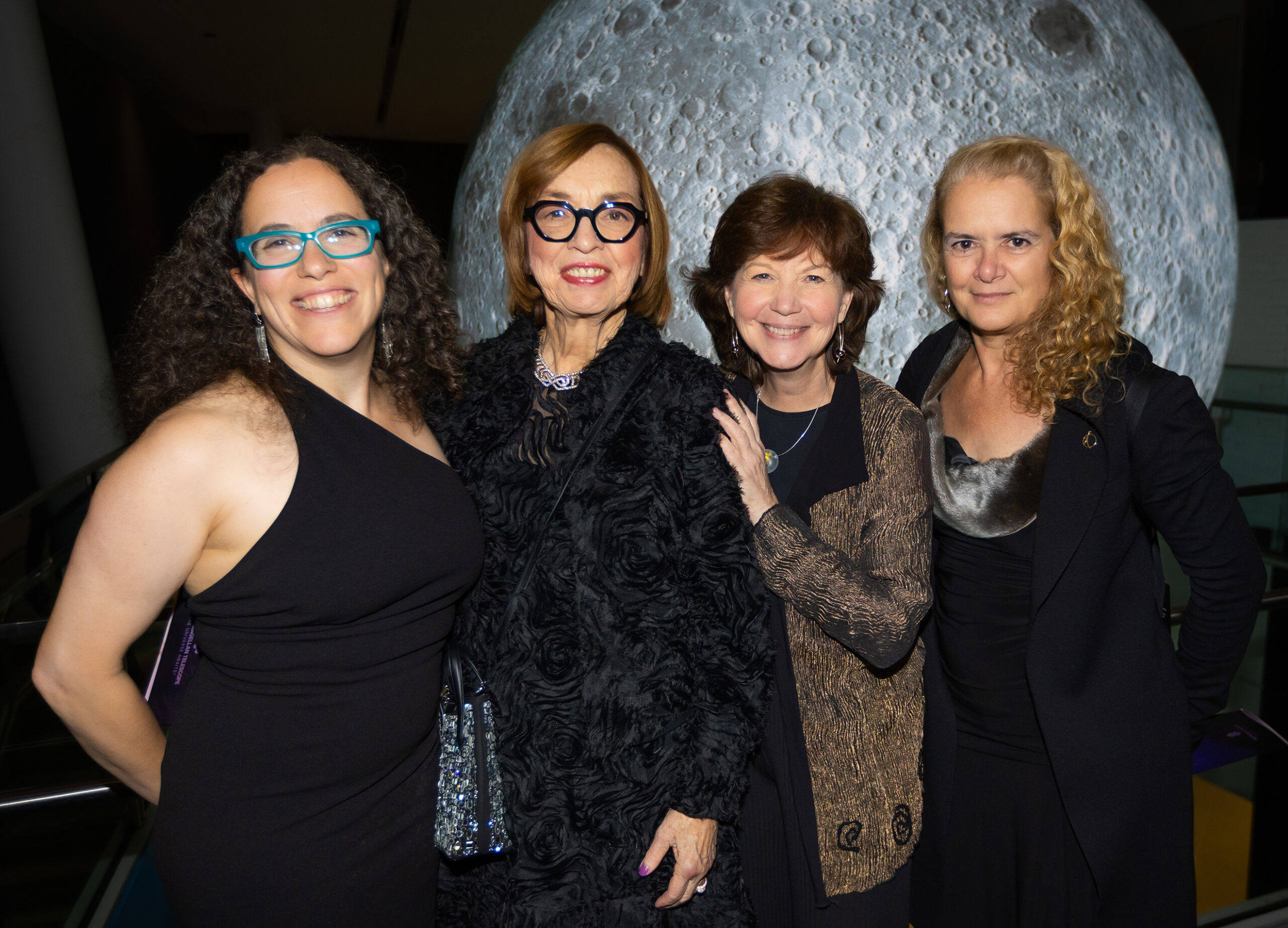
Fortunately, they had a tutorial in leadership and collaboration the night before at an event sponsored by Northwestern University—the inaugural Giant Magellan Gala. Nearly 250 leaders in science, education, philanthropy, art, and business gathered at Chicago’s Adler Planetarium to celebrate the public/private consortium building the Giant Magellan Telescope (GMT) on a hilltop in the Atacama Desert in Chile and to honor its retiring Board Chair.
Northwestern joined the consortium in 2024, one of the largest such partnerships in science. Sixteen universities and institutions from around the globe are combining resources via the consortium to build what will be the most powerful ground-based telescope ever constructed. Because it will be able to capture images of the universe so much more detailed than any instrument to date, the GMT could help us learn more about the origins of the universe and human life than believed possible. In so doing, the GMT could challenge our understanding of human history and human identity.
Modeling the power of women in space exploration the night of the gala were three women scientists—Dr. Allison Strom of Northwestern University, Dr. Sara Seager of MIT, and Dr. Rebecca Bernstein, Chief Scientist of the GMT. Each shared her particular perspective on the GMT’s significance with the audience that night in inspiring presentations.
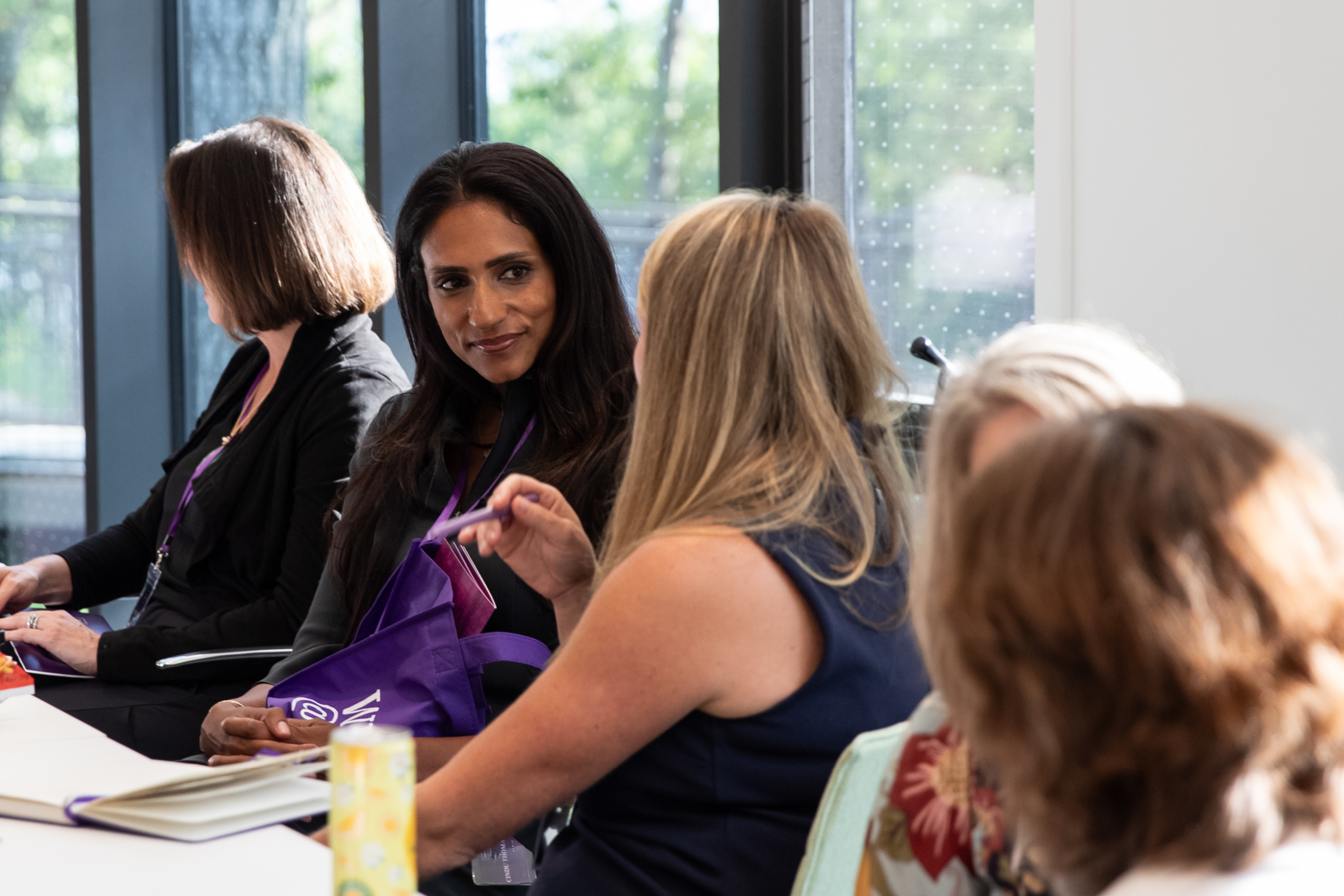
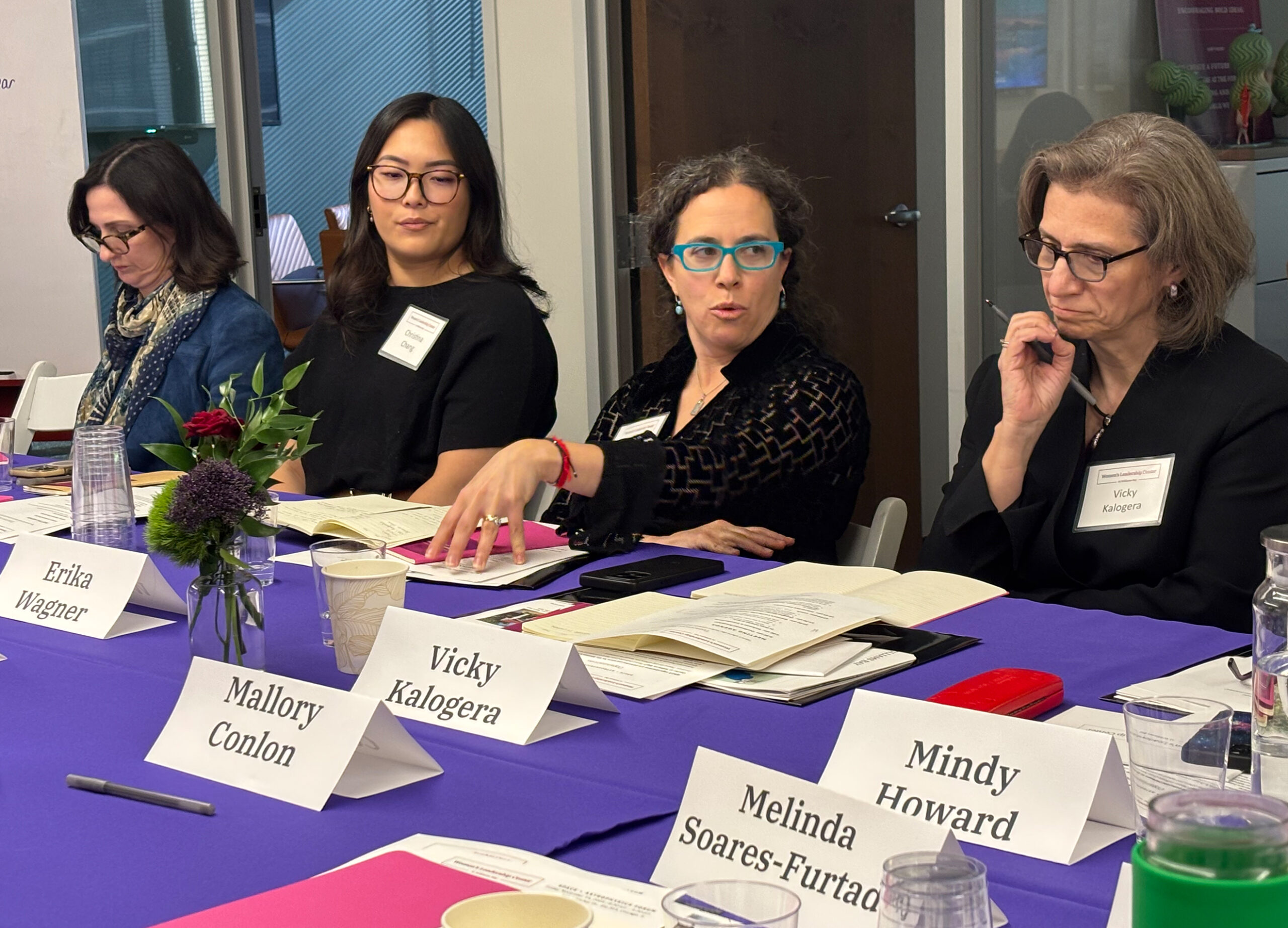
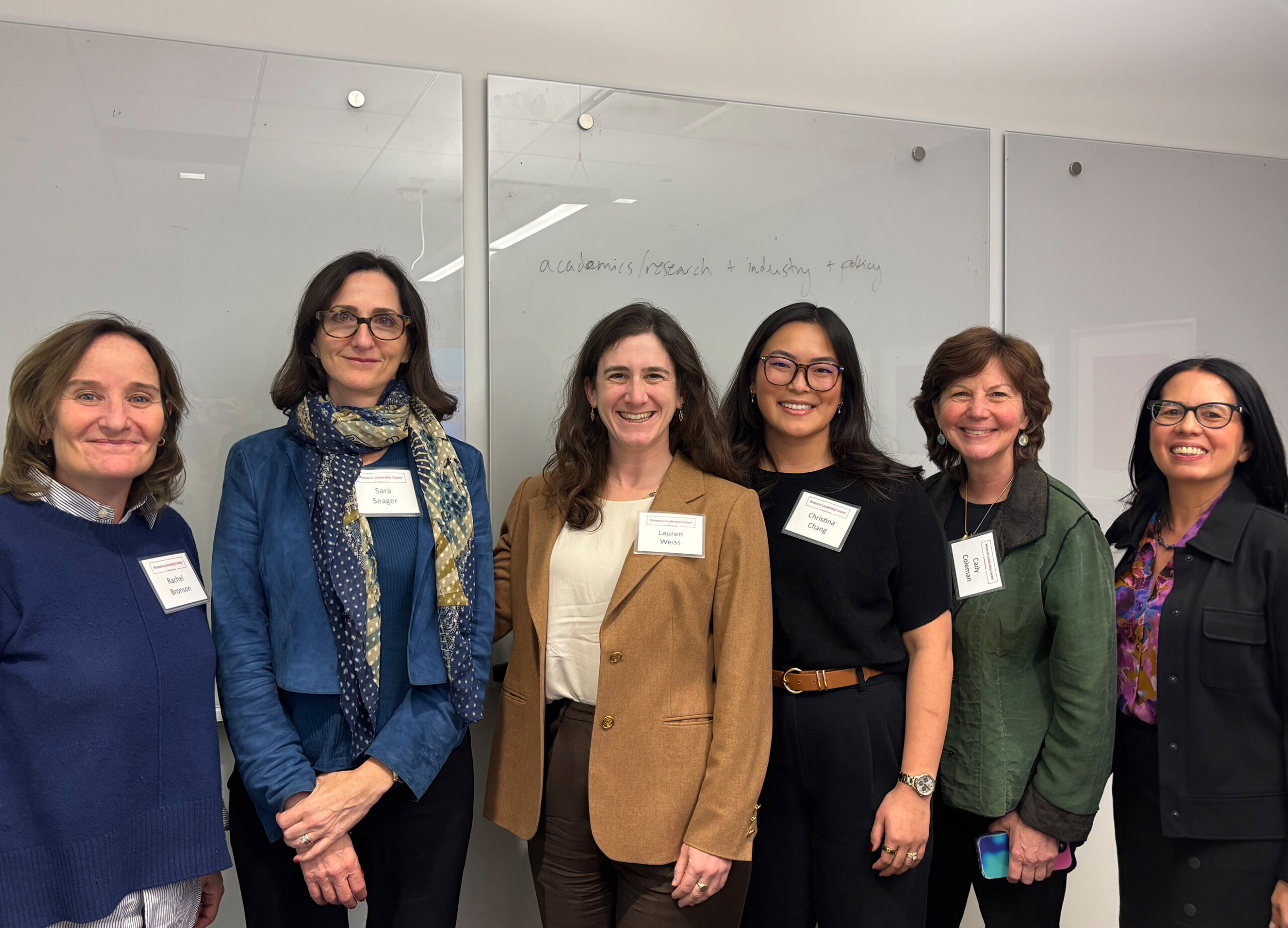
Participants in the WLC forum the next day carried that inspiration into their discussions. The list of partcipants read like a “Who’s Who” of industry, science, and academe: astronomers, aerospace engineers, professors of physics, senior advisors, science educators, and former NASA astronauts. After starting with the “state of the state” of women’s leadership in space and related fields, the group discussed the future of space, astrophysics and related disciplines. Then they brainstormed the initiatives and accomplishments by women they’d like to see and thought about how to help make those happen. By day’s end, the group had generated reams of insights and ideas about advancing their field and women in it.
“This gathering got our creative thinking going into new collaborative directions,” said Dr. Vicky Kalogera, Professor in the Department of Physics and Astronomy at Northwestern and director of Northwestern’s Center for Interdisciplinary Exploration and Research (CIERA) as the workshop wrapped. “I am looking forward to seeing some of these ideas become reality.” “It was incredible to be here,” added Dr. Mindy Howard, astronaut trainer as well as Founder and CEO of the Cosmic Girls Foundation, which works to empower girls through STEM education and leadership development. “I am looking forward to continuing our collaboration with the Women’s Leadership Center at Williams Bay.”