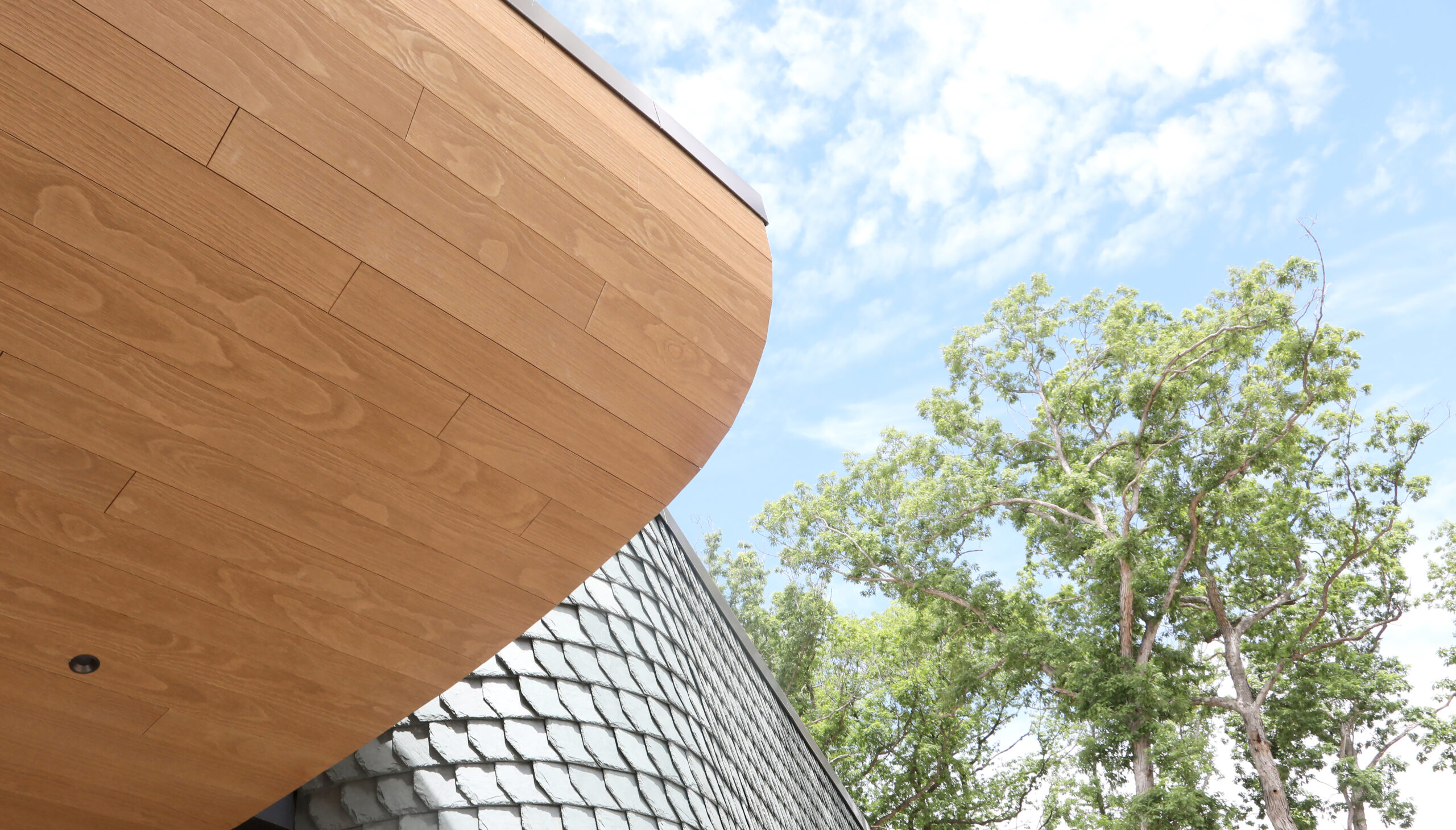
HISTORY OF THE LAND
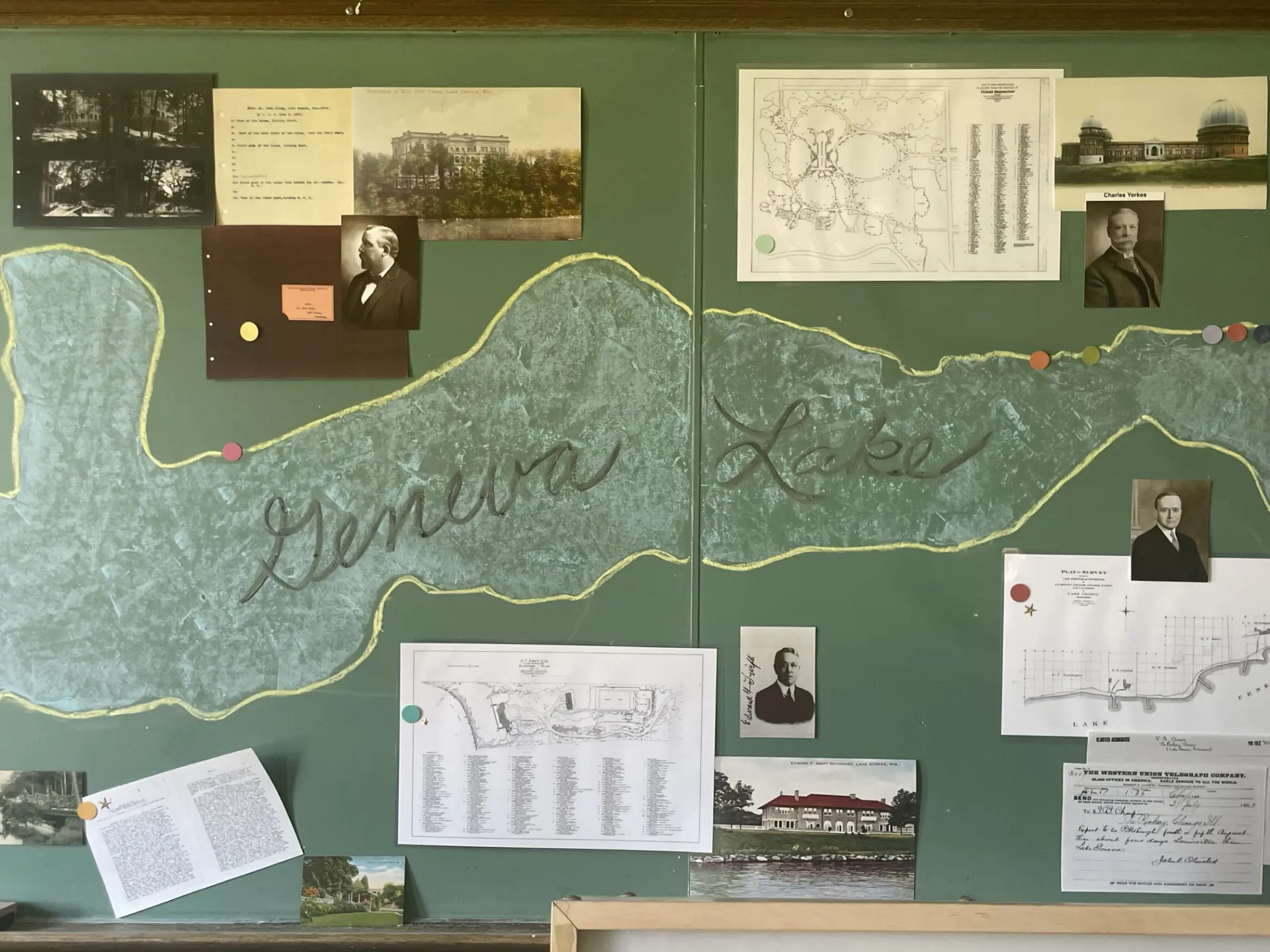
Our land is deeply woven with many kinds of history—geological, natural, scientific, and cultural—from the huge forces of the ice age to the mind-expanding discoveries in astrophysics made at nearby Yerkes Observatory. It means we take our role as stewards of our home seriously. And it means we’re inspired by all that came before.
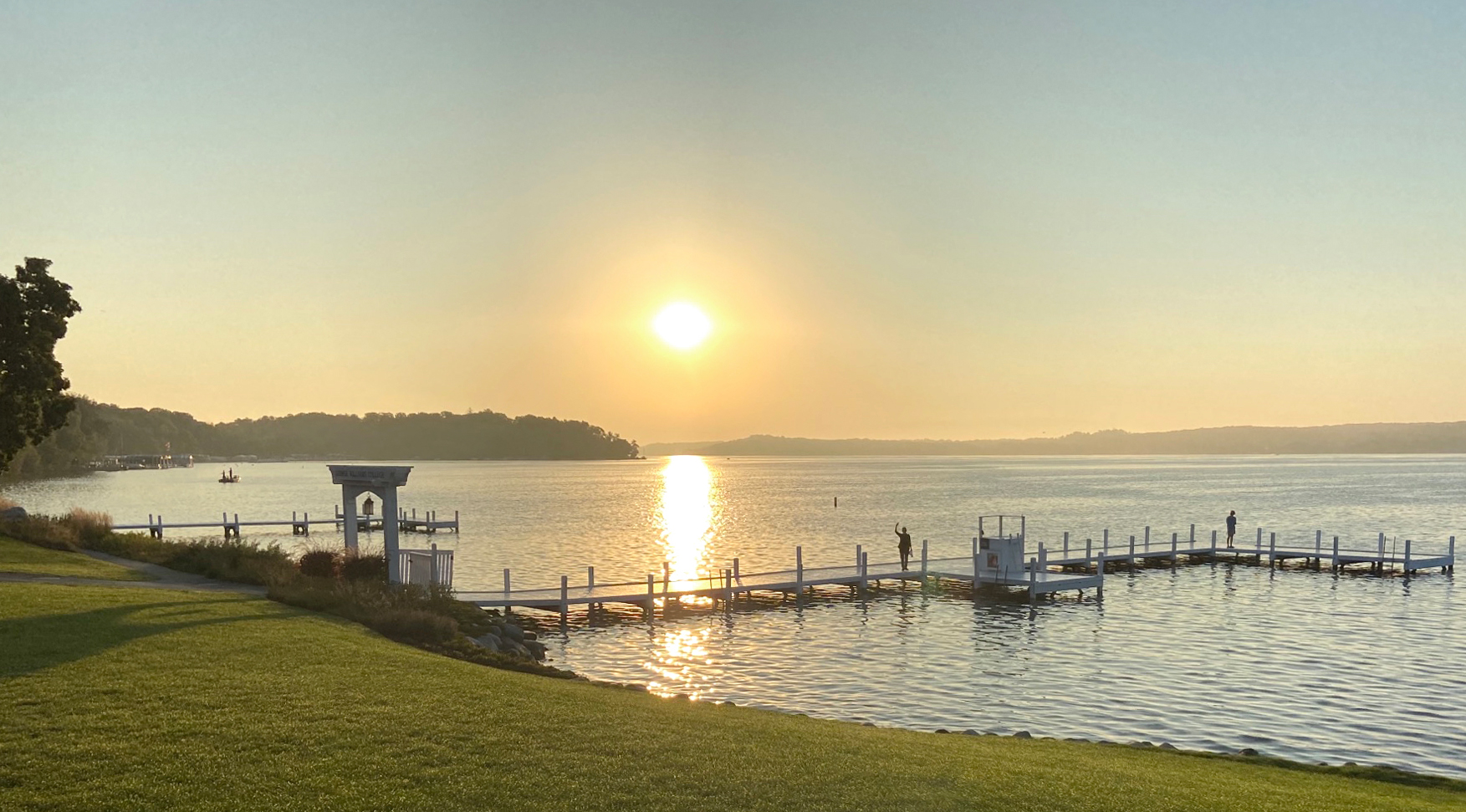
Williams Bay
Founded in 1835 by Captain Israel Williams, the village of Williams Bay has a longstanding reputation for nurturing advances in thought leadership as well as science and the arts. Blessed with abundant natural beauty, its rolling hills were home for centuries to Native Americans, vibrant wildlife and deep forests.
From Ice Age to Space Age
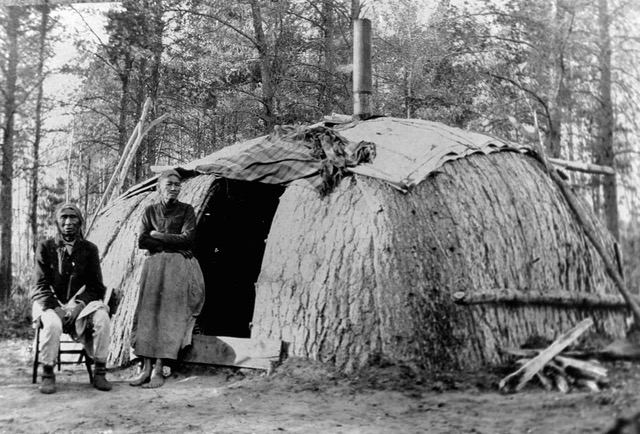
The Potawatomi Tribe
The first human inhabitants of this area were Native Americans from the Potawatomi tribe, who established a village here in 1695. After explorers discovered Geneva Lake in the 1830s, growth followed rapidly.
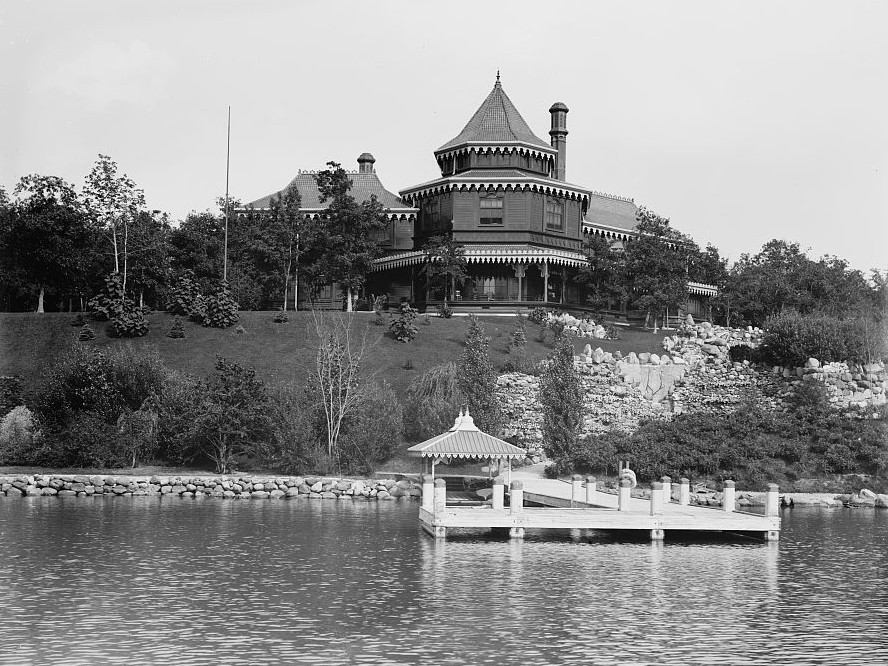
The Gilded Age
Following the Great Chicago Fire of 1871, many wealthy Chicagoans retreated to the area and built vacation homes along Geneva Lake; the region began to bustle with economic, intellectual, and recreational activity.
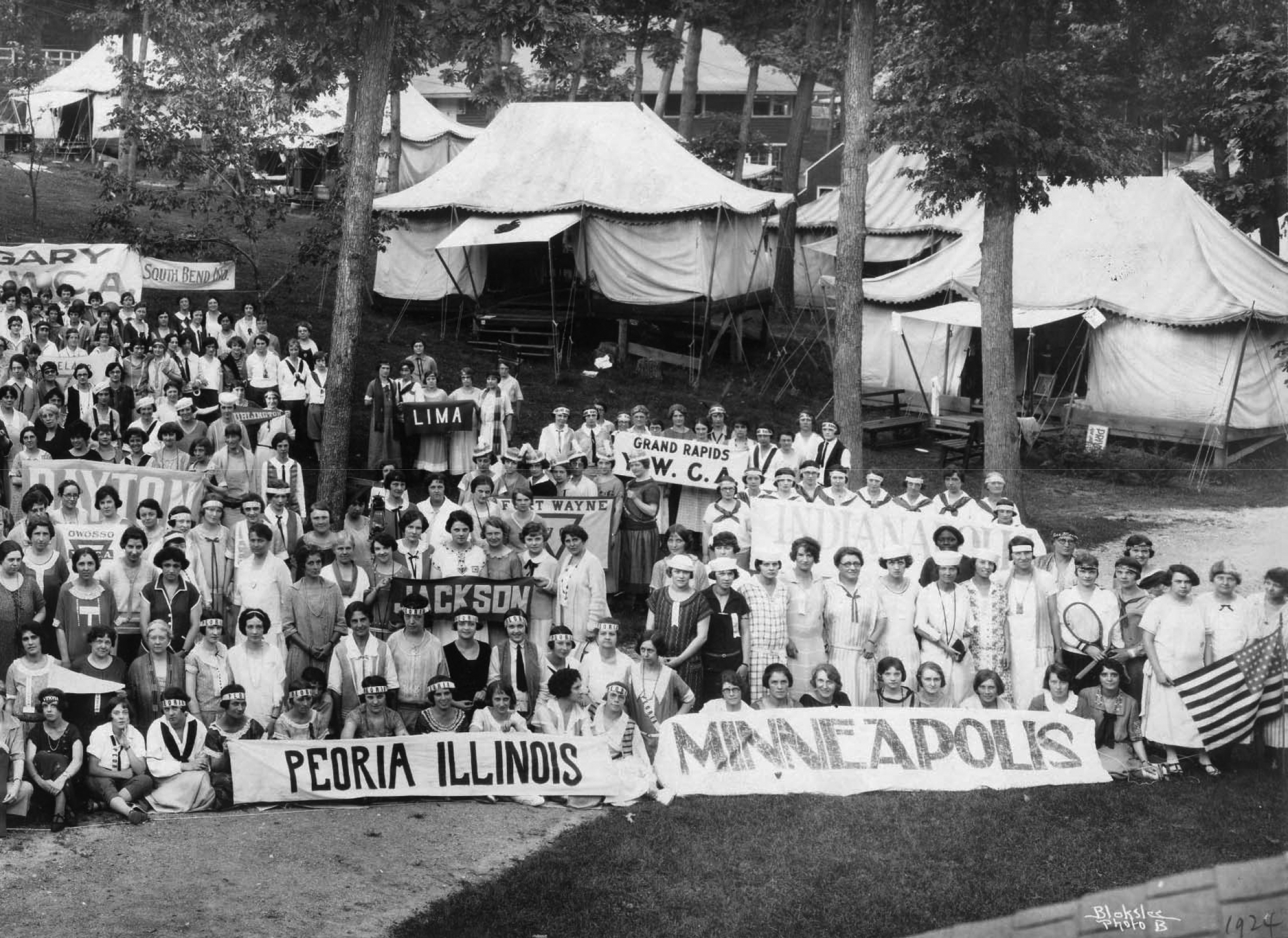
A Heritage of Recreational Camps
Numerous religious and social justice summer camps followed and, in the late 1800s, put down roots around the lake. In 1886, this is where followers of George Williams (founder of the YMCA) established George Williams College.
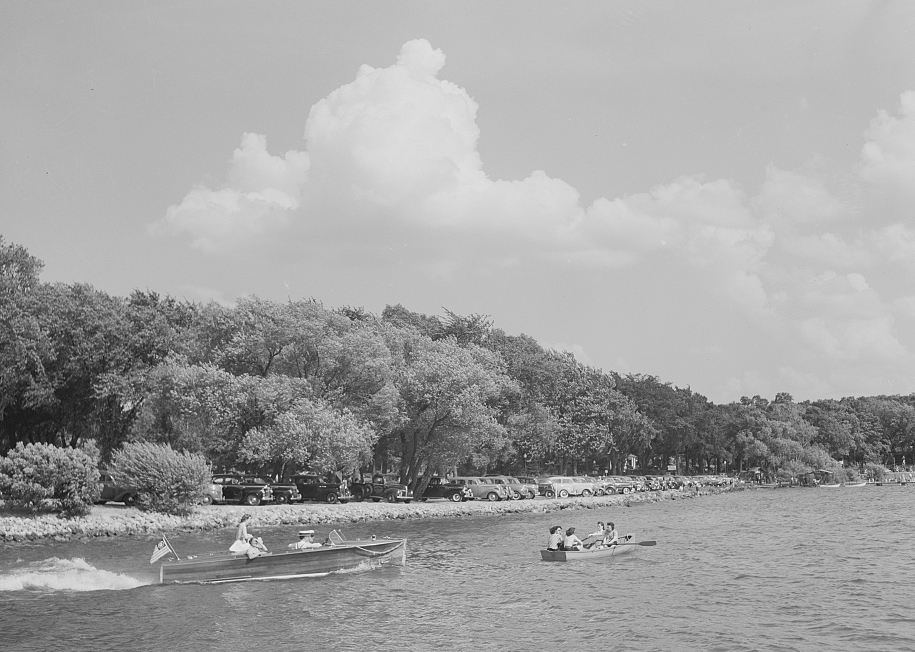
Where Art + Science Meet Nature
Thanks to the college and other cultural institutions nearby, Williams Bay became a summer home for the performing arts. The present-day community is dedicated to nature, education, history, and outdoor pursuits.

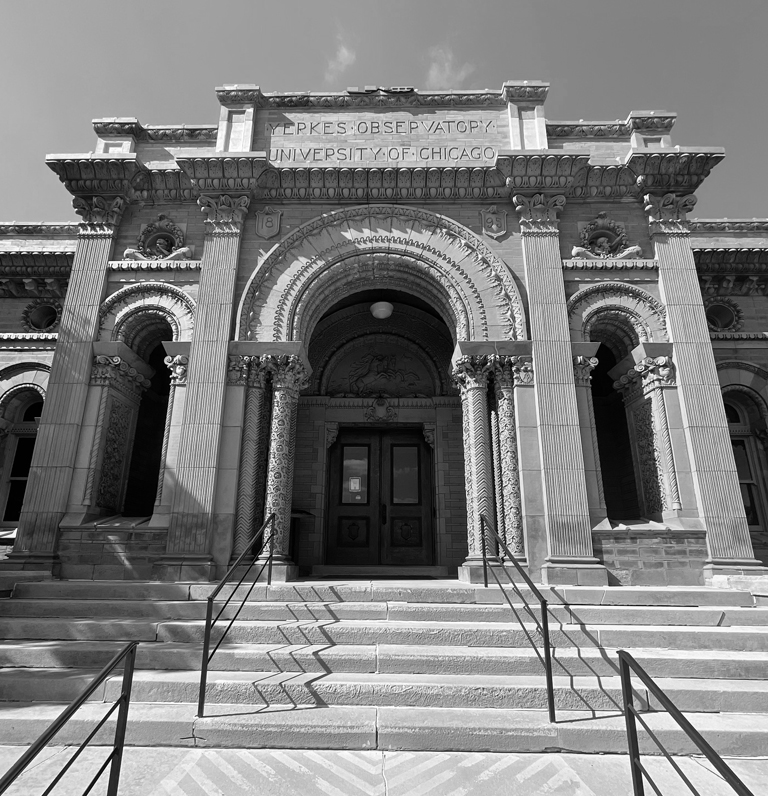
Yerkes Observatory
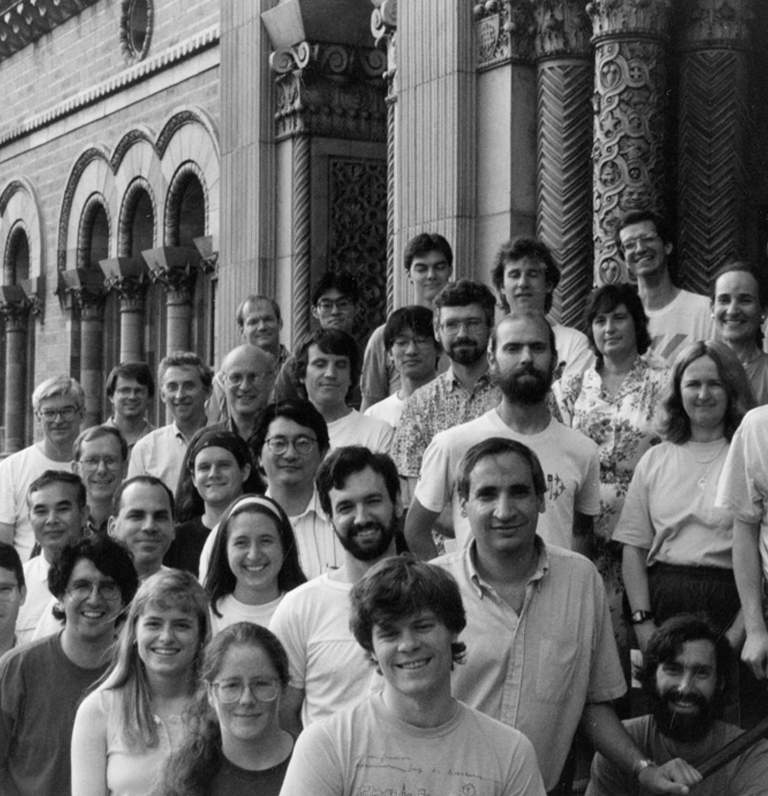
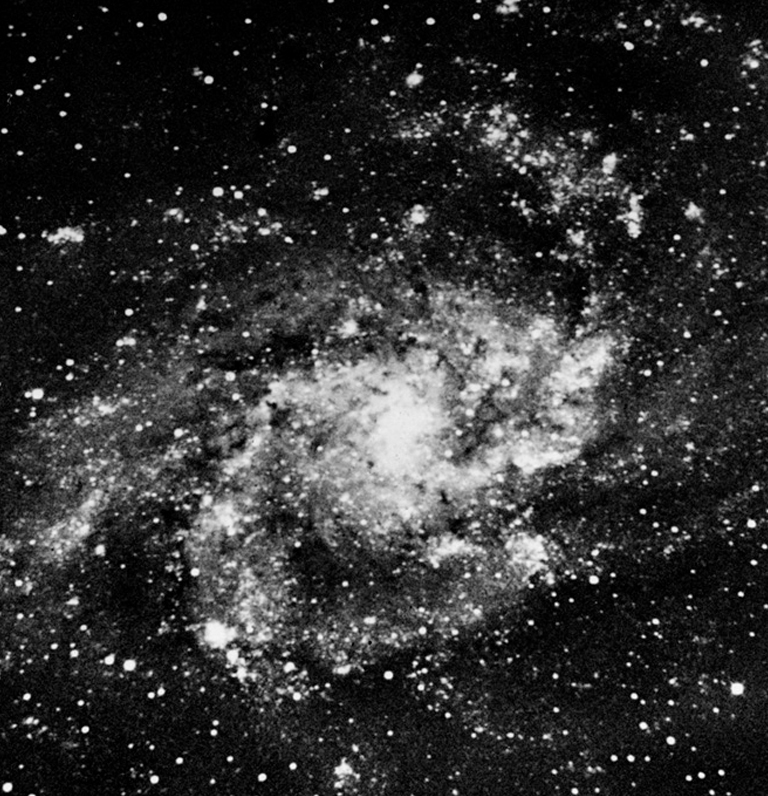
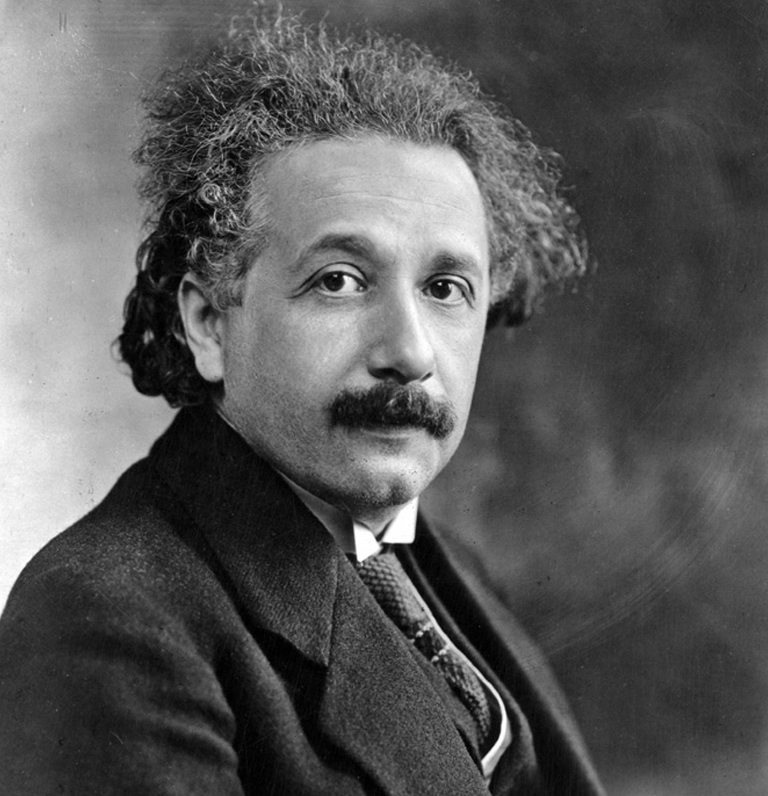
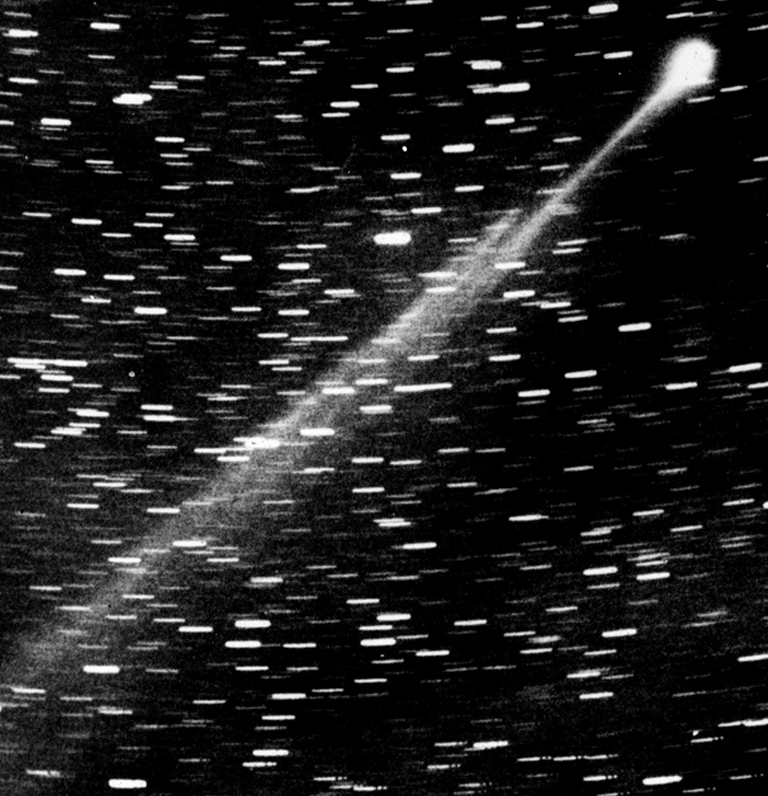
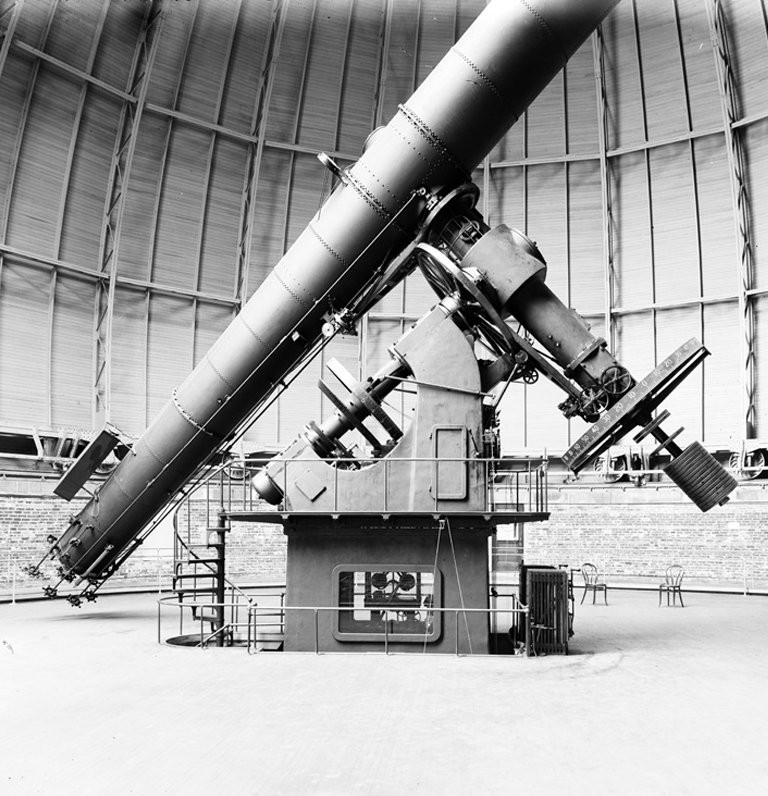
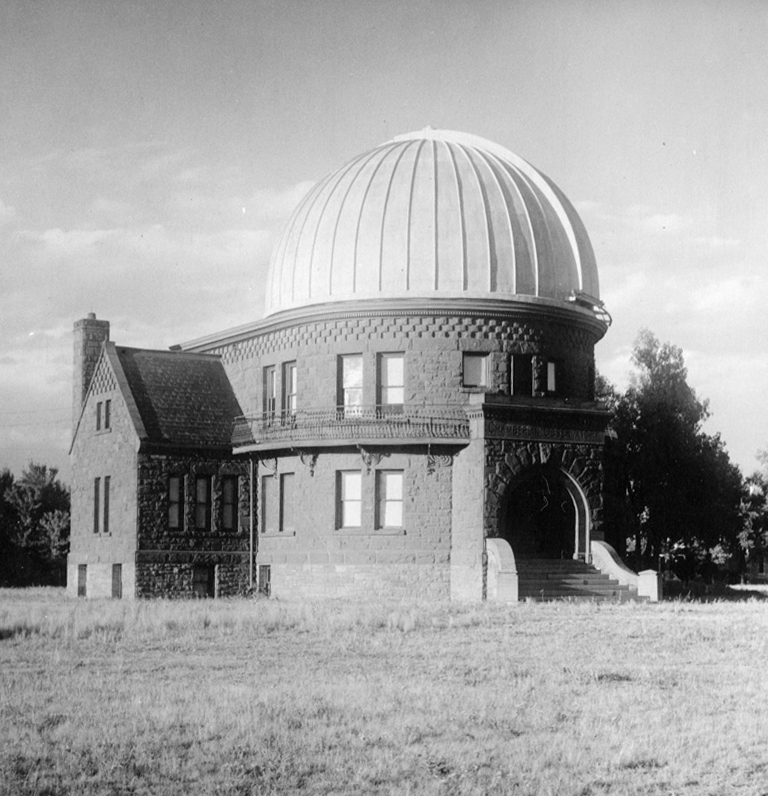
In 1897, the University of Chicago selected Willliams Bay as the site for Yerkes Observatory—a research facility that would become the birthplace of modern astrophysics. In its day, Yerkes was home to the world’s largest refracting telescope and where some of the finest minds in science conducted decades of groundbreaking work.
Geneva Lake
Our campus overlooks Geneva Lake, a reservoir formed ten thousand years ago when the glaciers of the last ice age first carved a deep valley and then filled it with cold, clear water as the ice melted. The Potawatomi tribe living along its shores named the lake “Kishwauketoe,” meaning “clear water.”
the glaciers of wisconsin
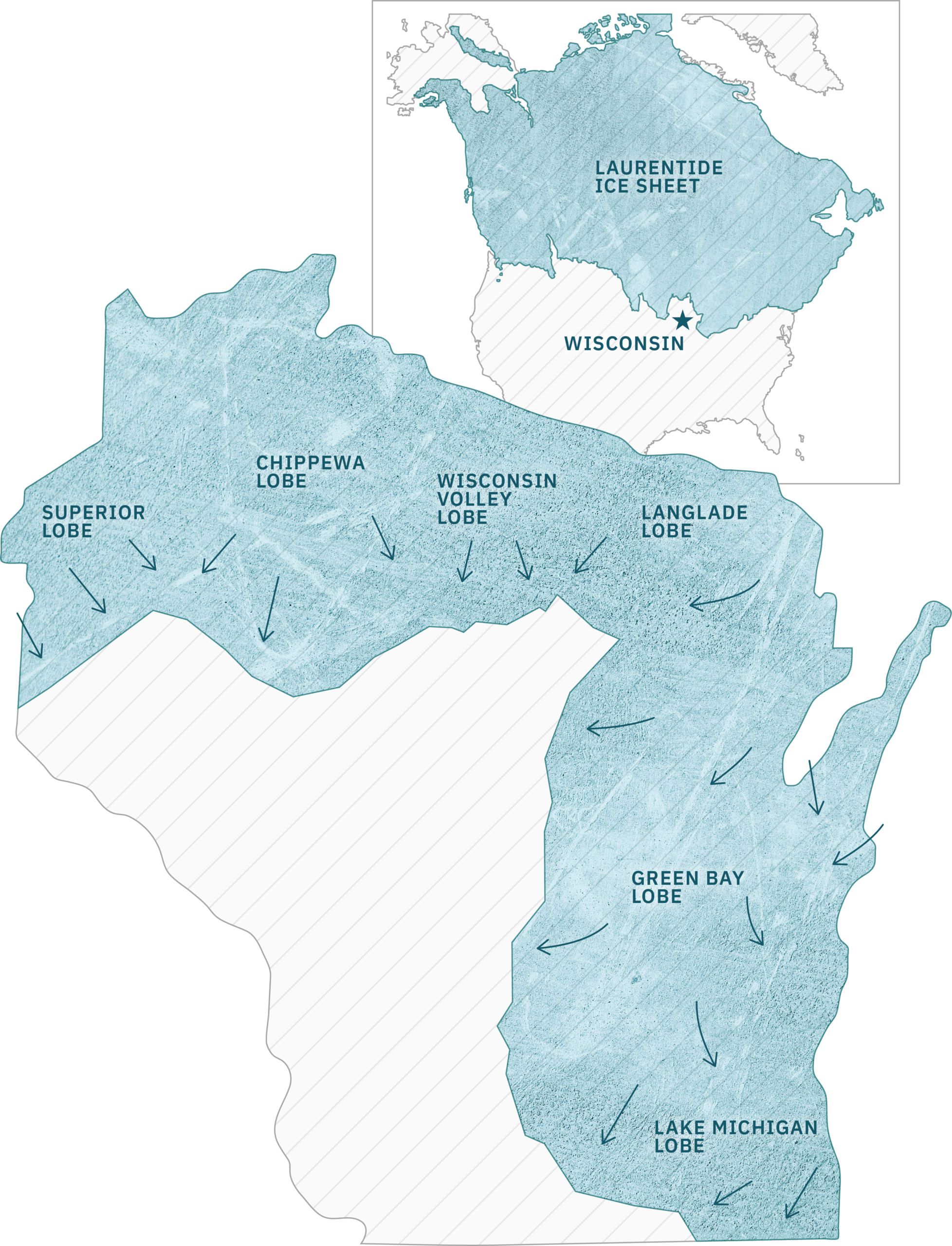
During the last (Late Pleistocene) glaciation in this region (the so-called “Wisconsin Glaciation”), massive ice sheets and glacial lobes advanced and then retreated across parts of Wisconsin. The basin of Geneva Lake was formed as a result of glacial melting and landscape modification. According to local history, a glacial lobe running through what’s called the “Troy Valley” depression helped carve out the valley that became Geneva Lake. The topography of Williams Bay and surrounding area is described as “glacial till plains and moraine ridges” created by that glacial activity.
Tour the Campus
Designed by globally renowned architect Jeanne Gang and the award-winning team at Studio Gang, the campus of the Women’s Leadership Center is a truly unique space. See what sustainability-conscious architecture and construction look like in a beautiful setting overlooking Geneva Lake.