THE ARCHITECTURE
Designed for Connection
The Women’s Leadership Center was designed around how people come together — how a space can invite conversation, create connection, and open up new ways of thinking.
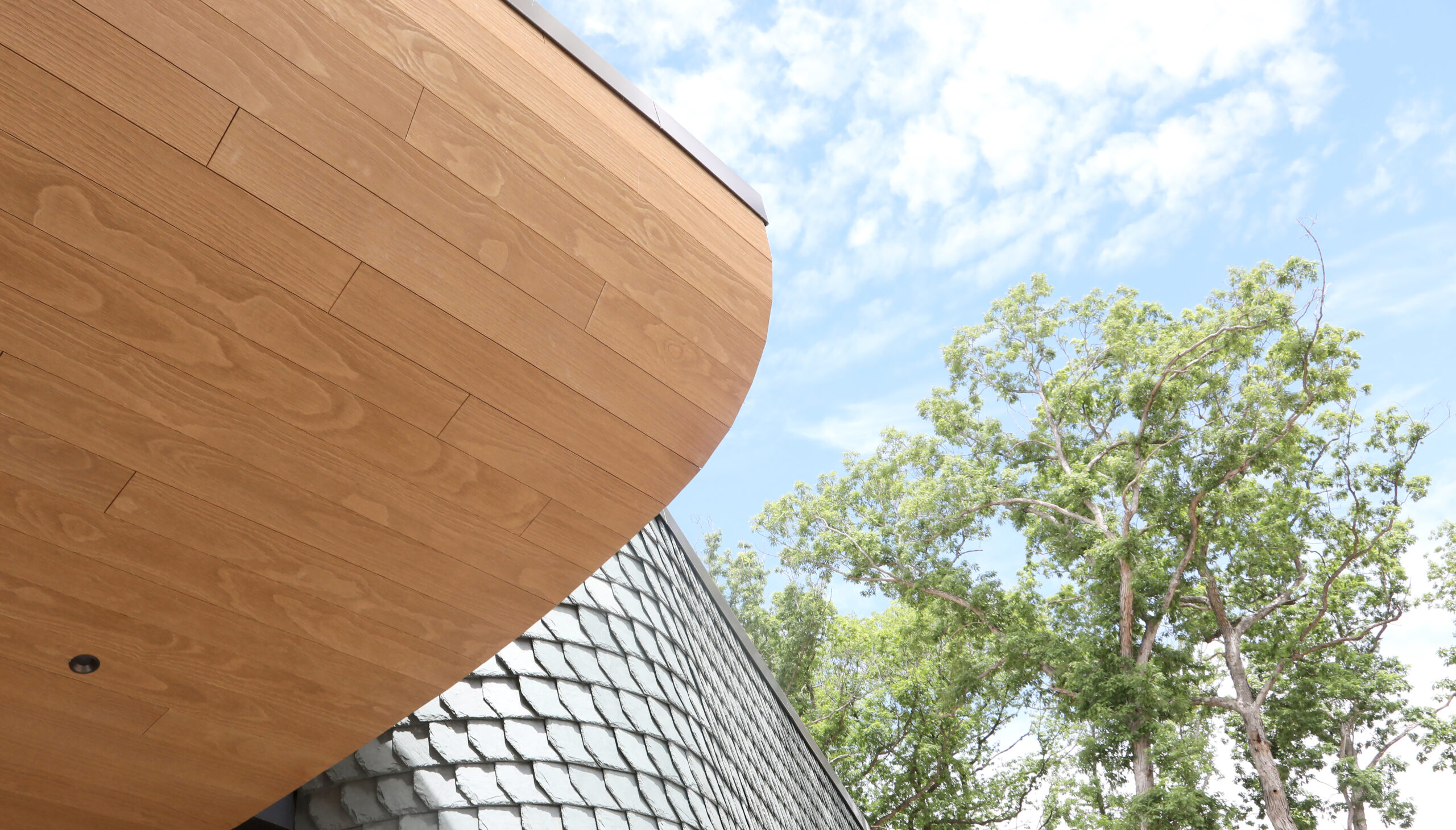
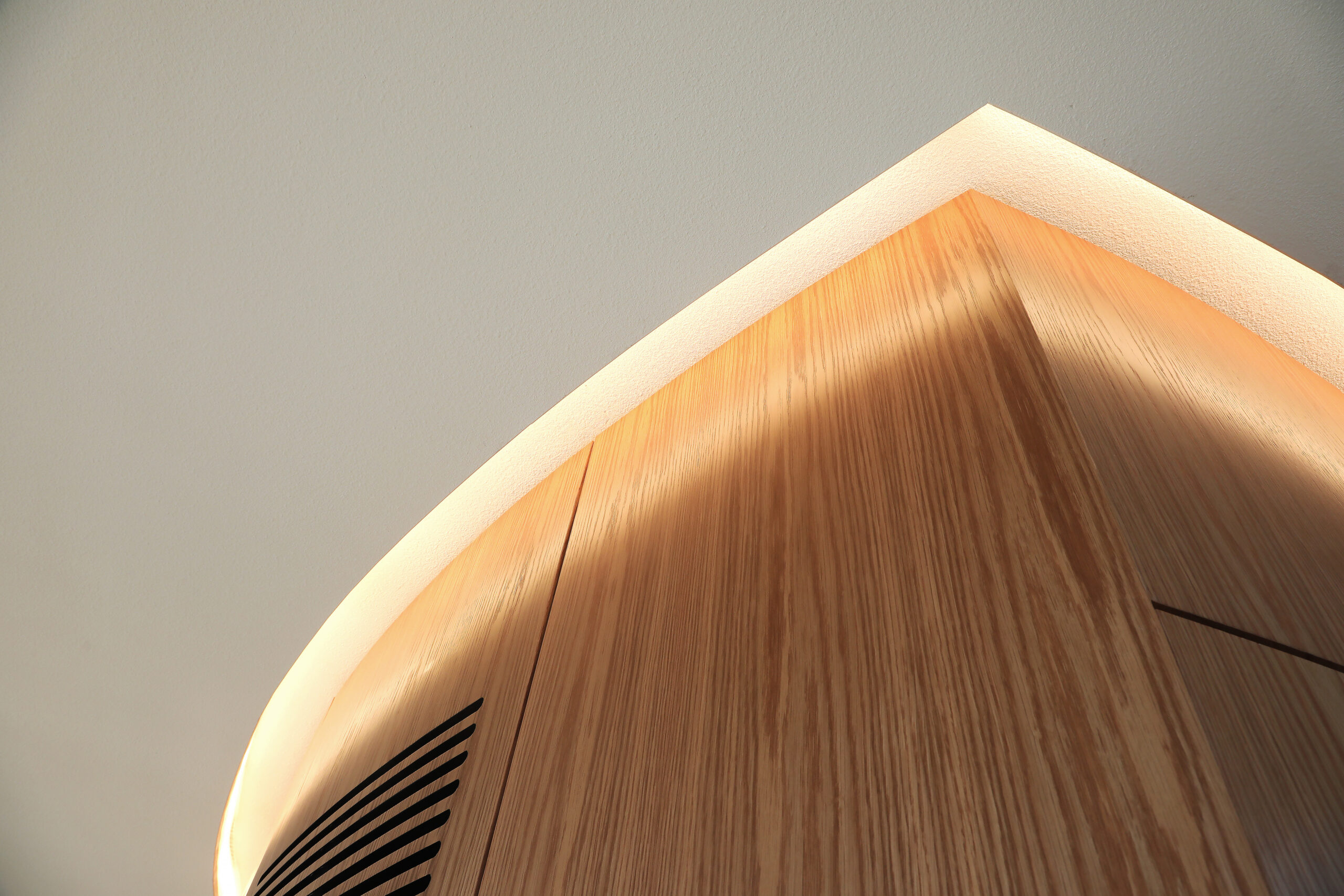
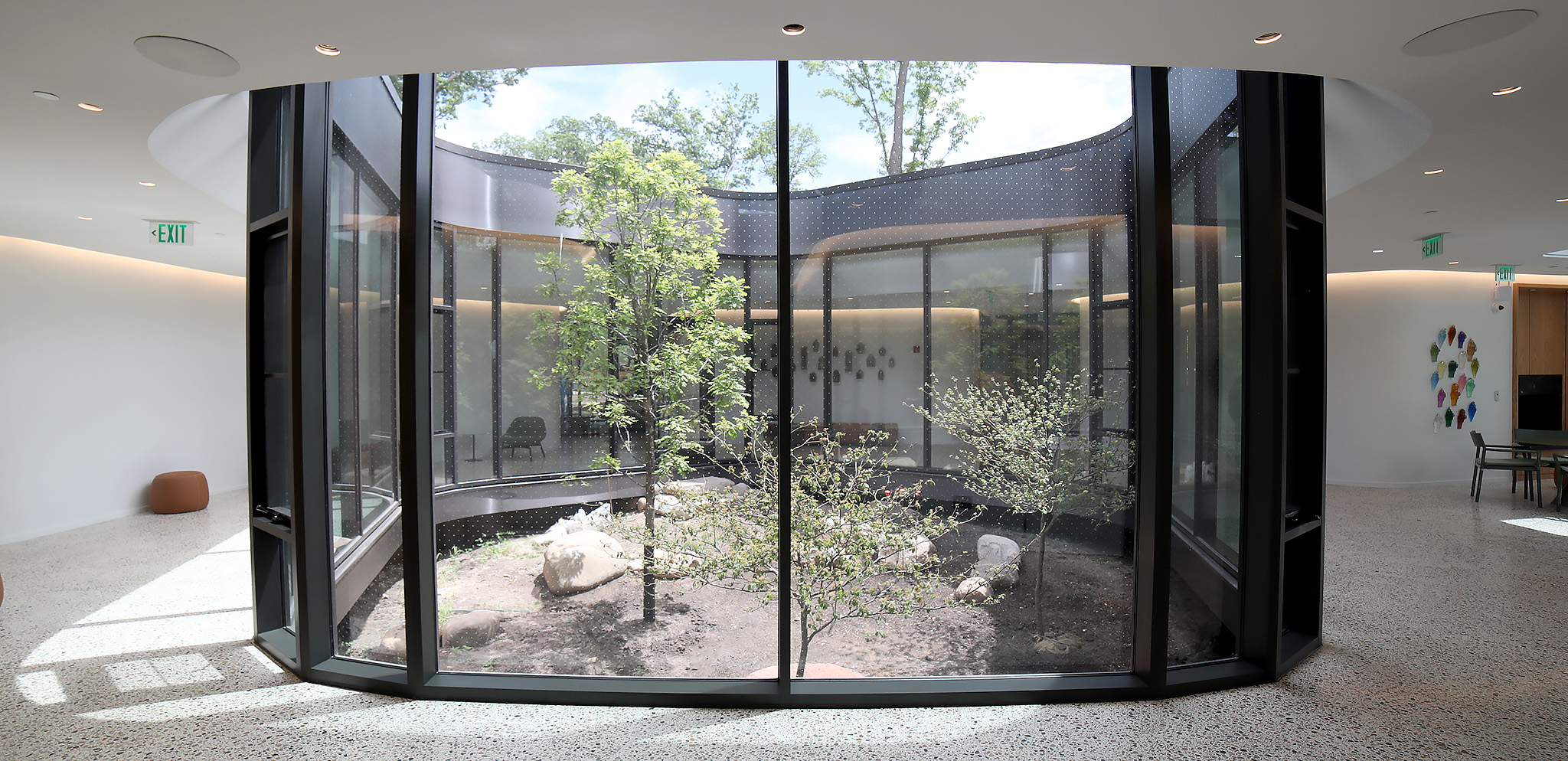
Architect Jeanne Gang, MacArthur Fellow and founder of the internationally renowned architecture and urban design practice Studio Gang, shaped the Center in close relationship with the land. Three buildings sit within the forest, linked by paths and boardwalks that wind through the trees toward Geneva Lake. Inside, curving walls and natural materials meet expansive views and carefully placed daylight, creating spaces that feel both intimate and open, with room for quiet reflection as well as lively exchange.

A Gift of Ice and Time
As glaciers from the last ice age retreated 10,000 years ago, they left behind rolling hills and pristine lakes across southeast Wisconsin. The first human inhabitants of this area were Native Americans; once explorers discovered Geneva Lake in the 1830s, growth followed rapidly. Wealthy Chicagoans built homes here after the Great Fire of 1871, followed by numerous religious and social justice summer camps. In 1897, the University of Chicago selected Williams Bay as home for its Yerkes Observatory—a research facility that would be the birthplace of modern astrophysics. Our design weaves together the spirit of the campfire with the rich traditions of discovery, creativity, and service that imbue this land.
A Place of Light … and Shadow
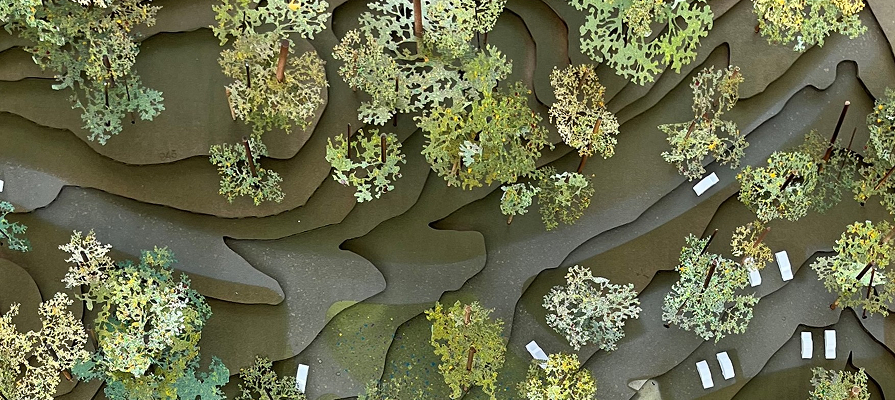
Our campus nestles among hundreds of trees in an old-growth oak forest. In designing our buildings, a big question was how to welcome in as much natural light as possible while living in harmony with the woods.
The answer: Crown shyness. Botany says that trees in a forest organically create openings in the canopy where branches don’t overlap. These natural openings filter light through the leaves to the forest floor. We call these natural openings “crown shyness.”
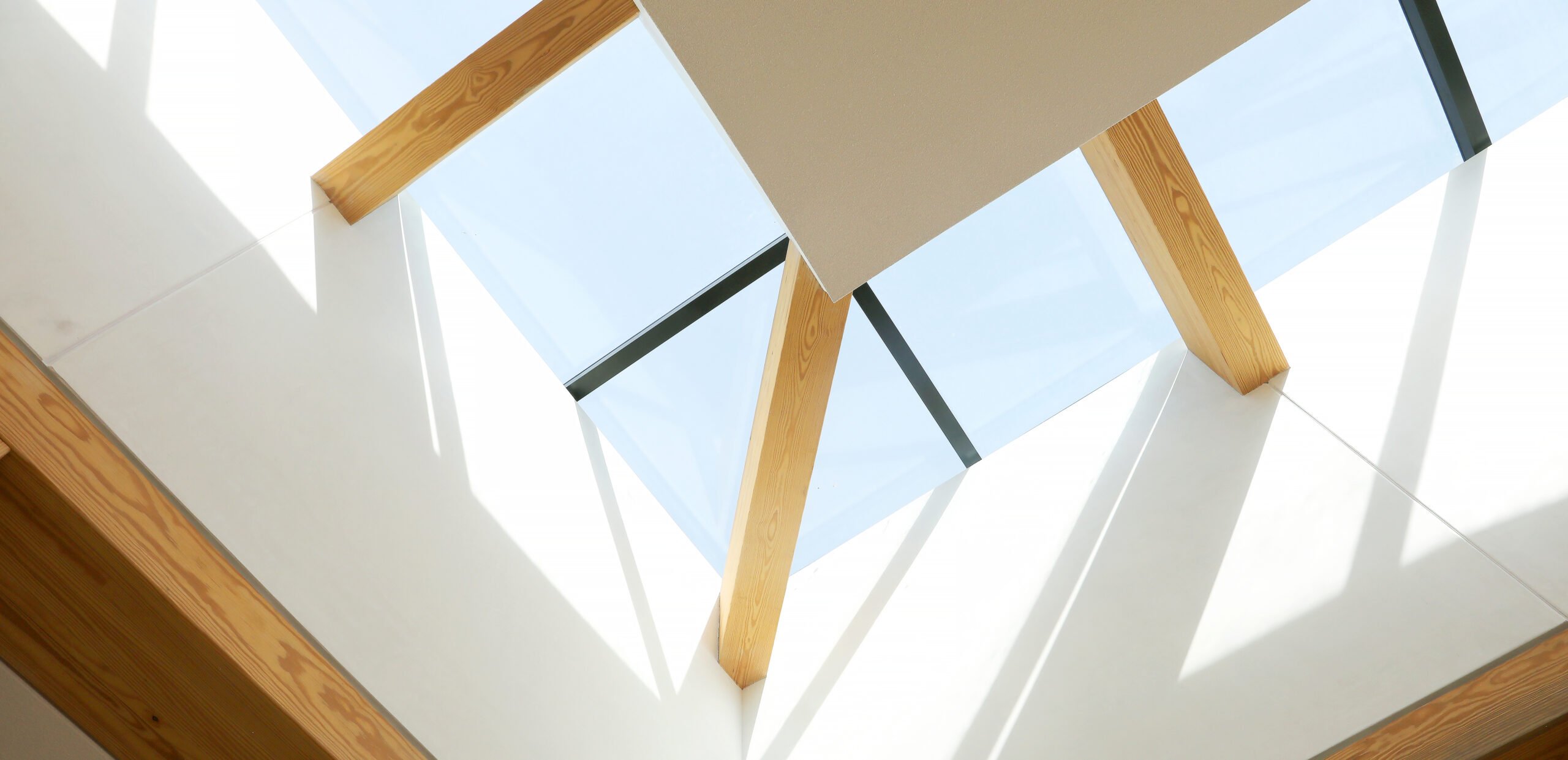
Studio Gang leveraged the concept of crown shyness to mimic how sunlight streams through trees in a forest and — via “crown shy-lights” (or skylights) — to enhance illumination in our buildings by gently inviting in more daylight and warmth. Along with the shy-lights, a unifying architectural motif is a leaf shape. Look for it in the silhouette of the Lodge, which is made up of four leaf-shaped structures. It’s also repeated in the giant Great Room shy-light, the outline of the Treehouse library, in the design of the Lodge carpet and sofas, and as a decorative element on the dining room ceiling.
A Gathering of Circles and Curves
The campfire motif is an important element in the Center’s design. Our buildings are configured to encourage connection and sharing in the ancient tradition of camp and campfires. As you walk through campus, notice the graceful, simple arcs and circles everywhere. Our building walls curve; our stairways ascend in spirals; even our driveway and sidewalks meander through campus. We use circles and curves to suggest creativity, connection and flow—all part of our mission to inspire women leaders.
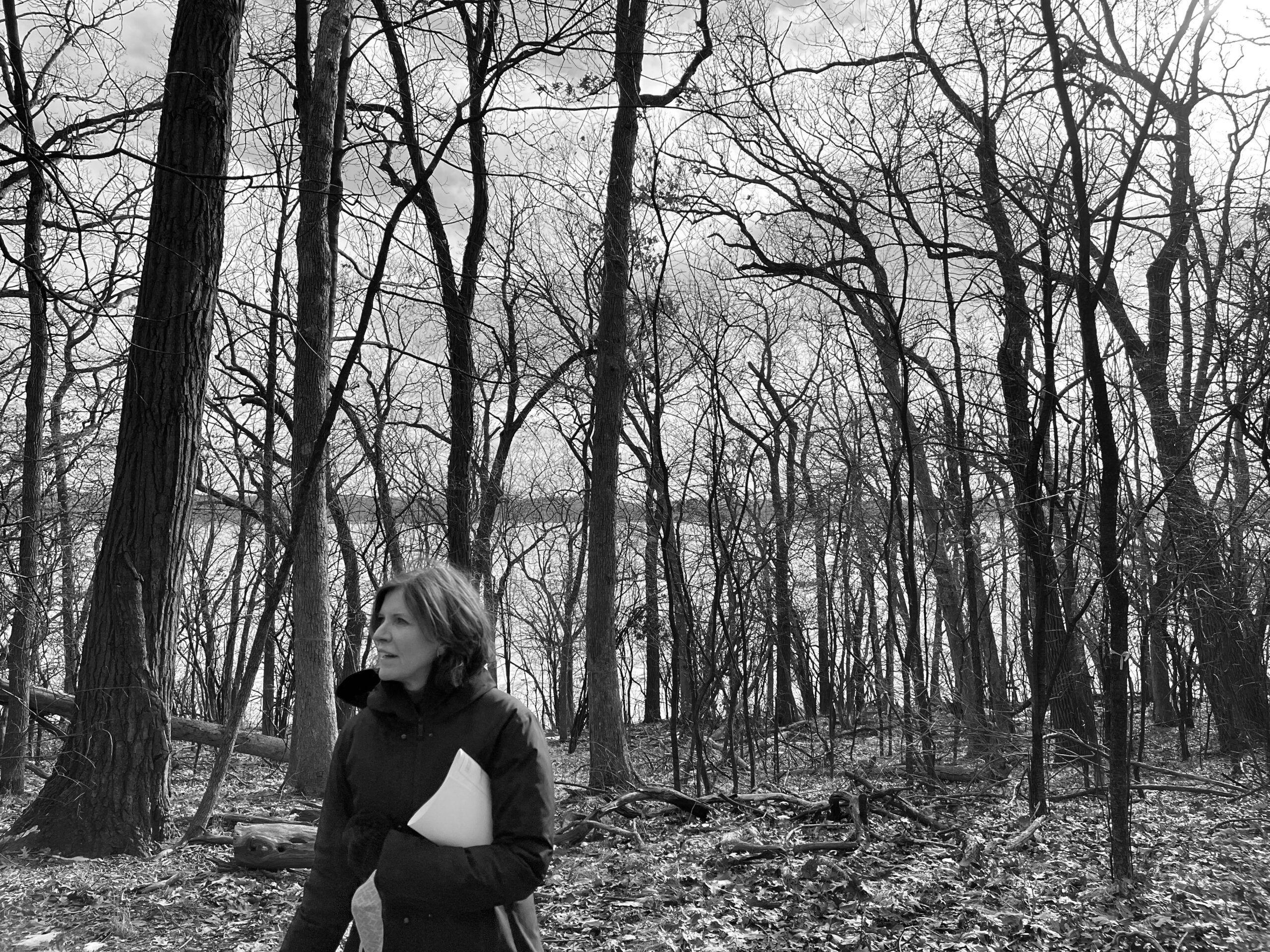
Above all, we want to live in a world where people not only coexist but actively support one another as part of a greater, thriving network of living things. This has been a driving force for our design, which aims to foster creativity and collaboration while embracing the natural beauty and ecology of Geneva Lake.
– Jeanne Gang, Lead Designer & Founding Partner, Studio Gang
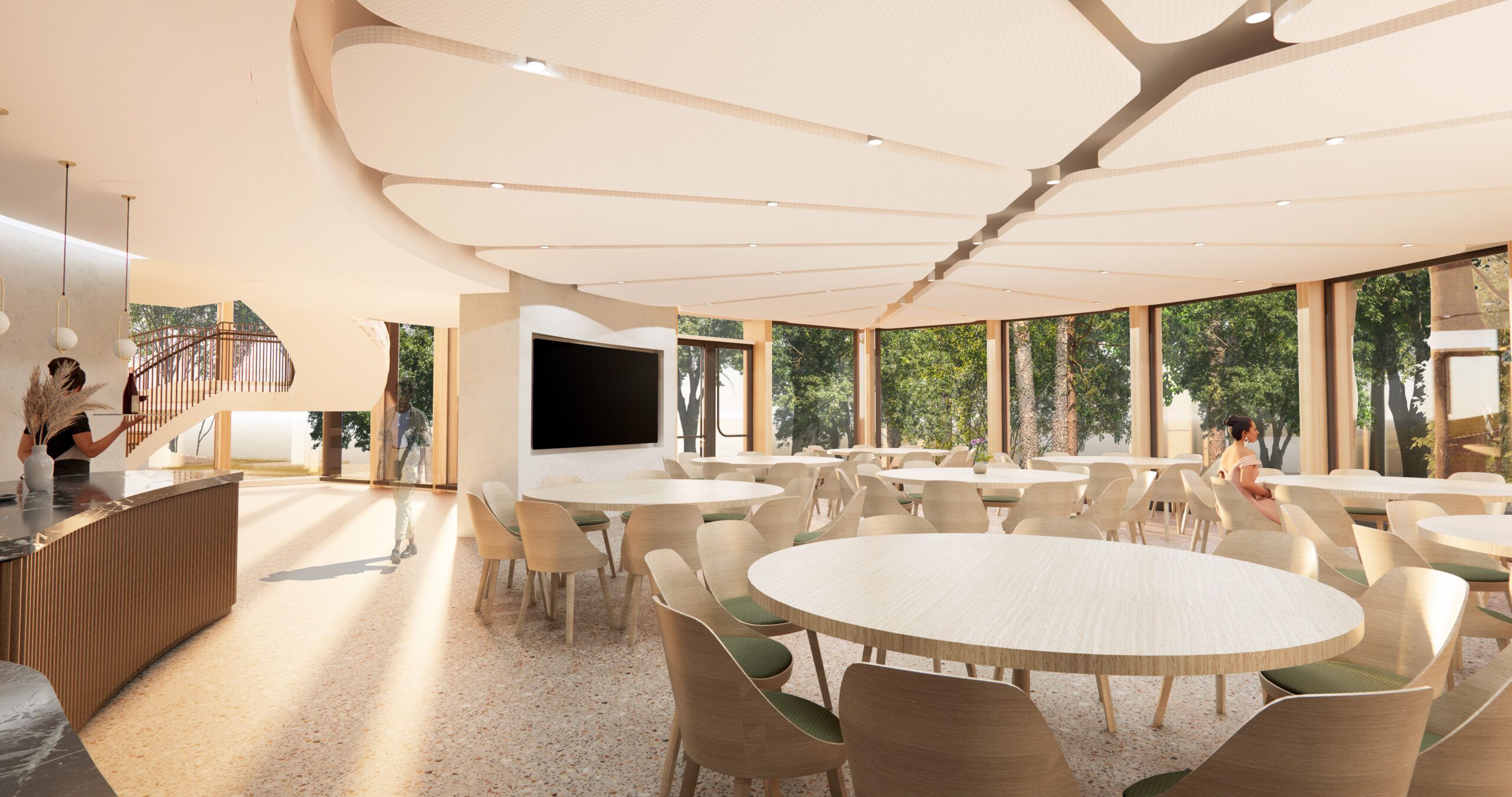
Explore Inside the Center
Take a closer look at the Center and each of its buildings.
Tour the Campus
Designed by globally renowned architect Jeanne Gang and the award-winning team at Studio Gang, the campus of the Women’s Leadership Center is a truly unique space. See what sustainability-conscious architecture and construction look like in a beautiful setting overlooking Geneva Lake.