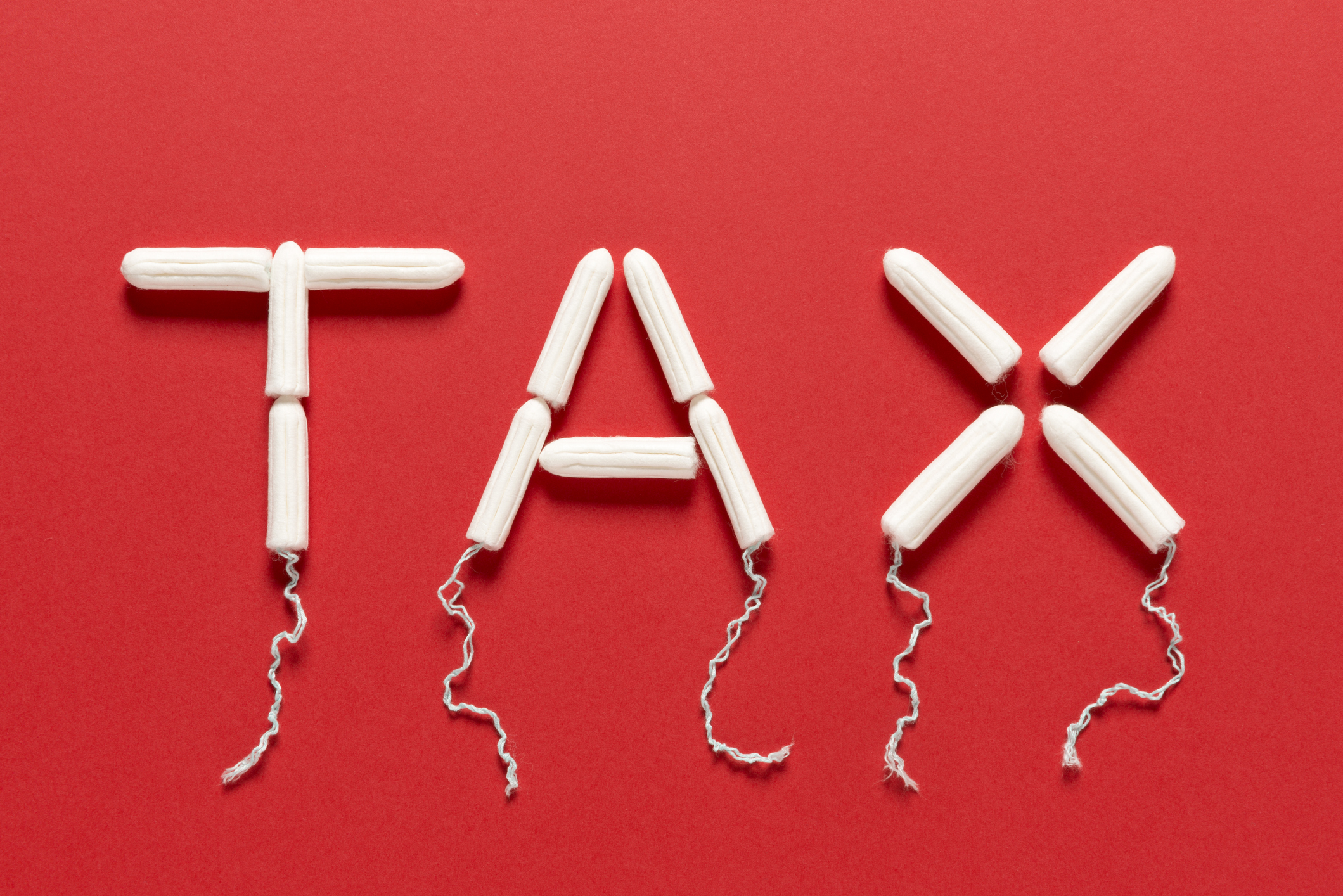
Regular menstruation—one of the signs a woman’s body is healthy and fertile—is also costly. That’s because in many parts of the world (including 20 states in the U.S.) women pay a “Tampon” or “Pink Tax” on sanitary products that can boost their price an extra 4% to 7%.
Critics argue this tax—which is actually standard sales tax—should not be applied to menstrual products, which can be viewed as biological necessities. And many countries around the world—such as Canada, U.K, India, Australia, and Kenya—have done exactly that.
In more historically conservative countries, though, the issue persists and is, if anything, greater. In Pakistan, for example, UNICEF estimates that only about 12% of girls and women use commercially made sanitary pads. The rest rely on rags or bits of cloth to manage their monthly flow.
Now, activists in Pakistan are fighting for change. Last year, Pakistan’s government was taken to court to remove the taxes on sanitary pads and tampons, which can account for up to 40% of the total price. Key to creating change is redefining the tax status of sanitary products so they are viewed as essential items (like food is) instead of a “luxury.”
For poorer families in Pakistan, the choice between buying commercially produced sanitary products and being able to put food on the table is stark. Yet when girls and women rely on rags and unsterile cloths to manage their flow, they run increased risk of bacterial vaginosis or urinary tract and fungal infections. In addition, one in five Pakistani girls misses days of school each month during her period.
Addressing the issue openly is taking time, given the taboos around menstruation that have persisted for centuries. In many cultures, for example, menstruating women are viewed as unclean and menstrual blood as having occult powers.
In the U.S., the average woman pays between $10 and $20 per month for sanitary products. That’s going up: It’s estimated the average price of menstrual products rose nearly 40% from 2020 to 2026.