In 1982, a group of women executives collaborated to launch The Committee of 200 (C200). In doing so, they were meeting a need: Women at the highest levels of business lacked a professional network of female peers who understood the challenges and opportunities of holding significant operational responsibilities in an environment where men consistently outnumbered them. In C200, accomplished women found other accomplished women who could offer insight, experience, and support.
Time has changed the workplace for women. When C200 was founded, no woman led a Fortune 500 company; today, there are 55 women CEOs. That’s progress, but the number falls far short of goals set for women’s advancement. Simply, a gender gap persists at the top levels of U.S. business leadership.
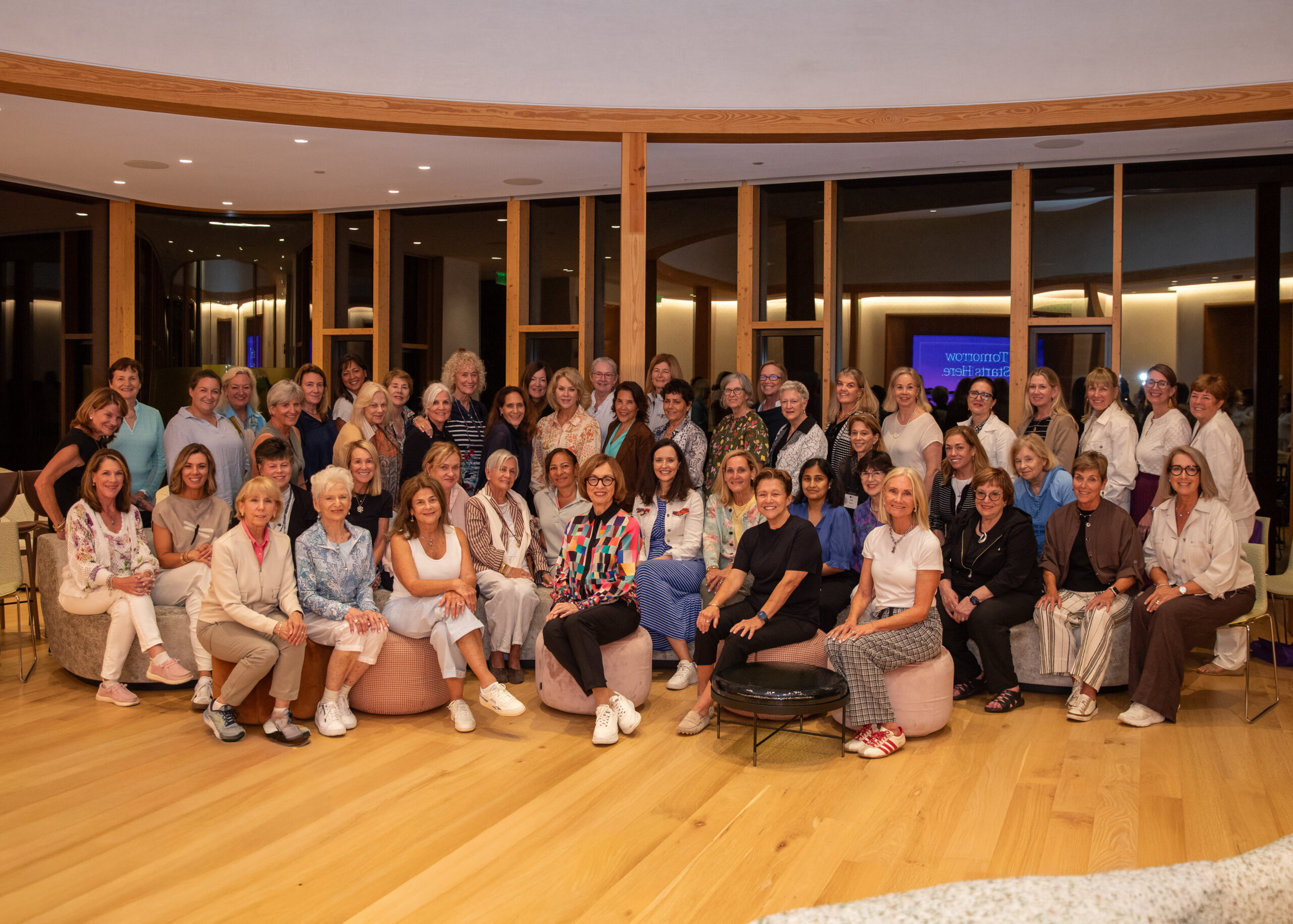
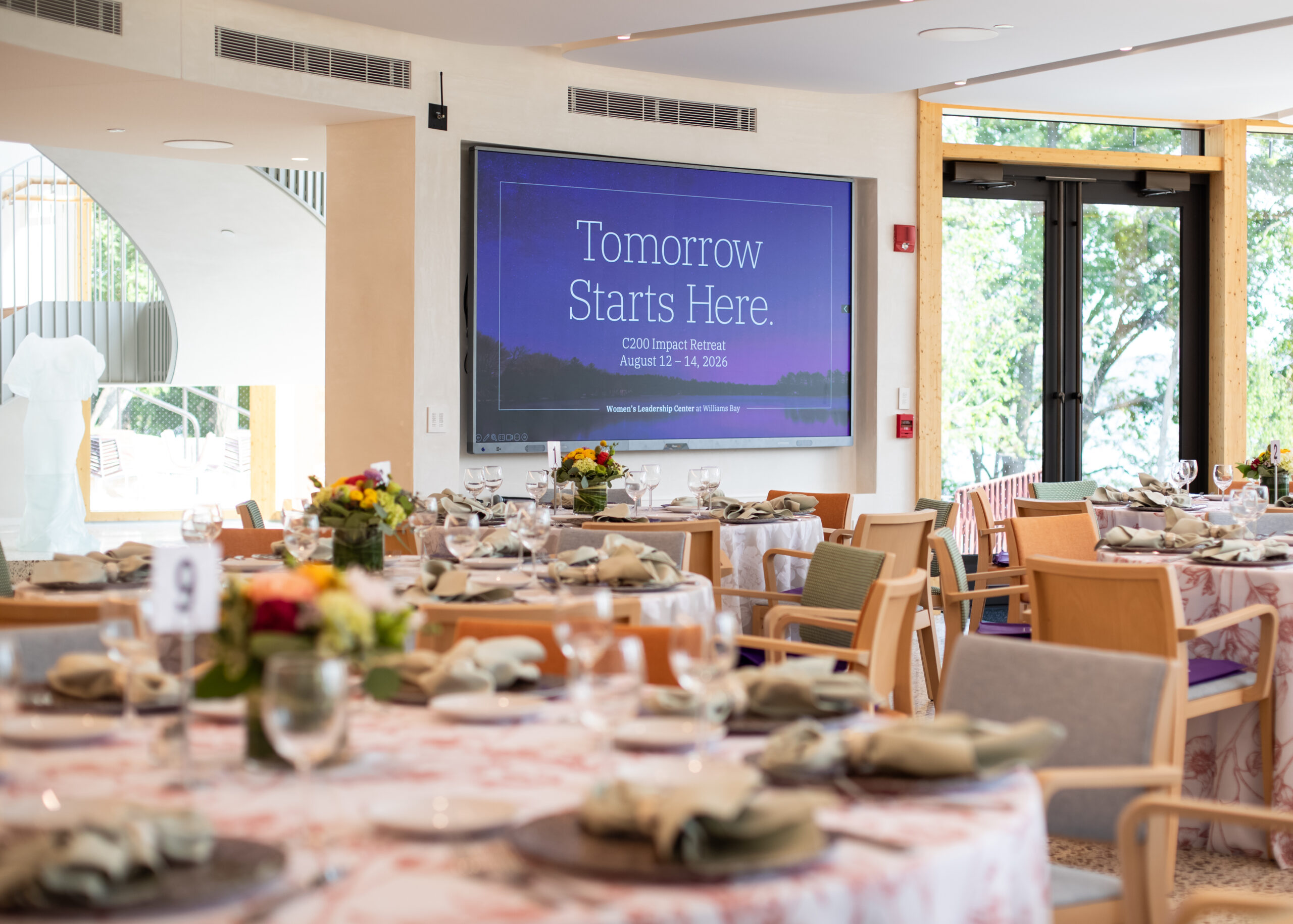
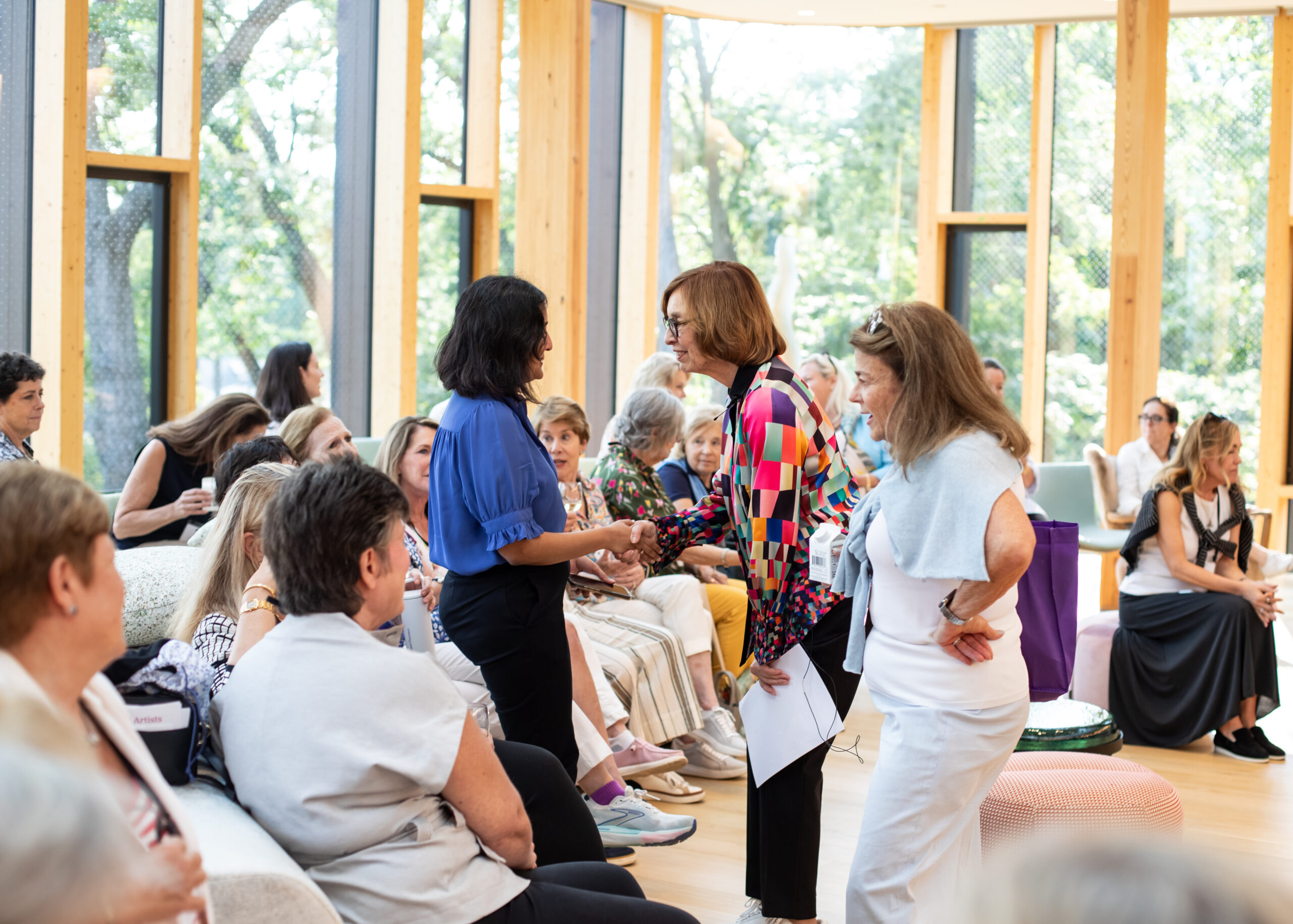
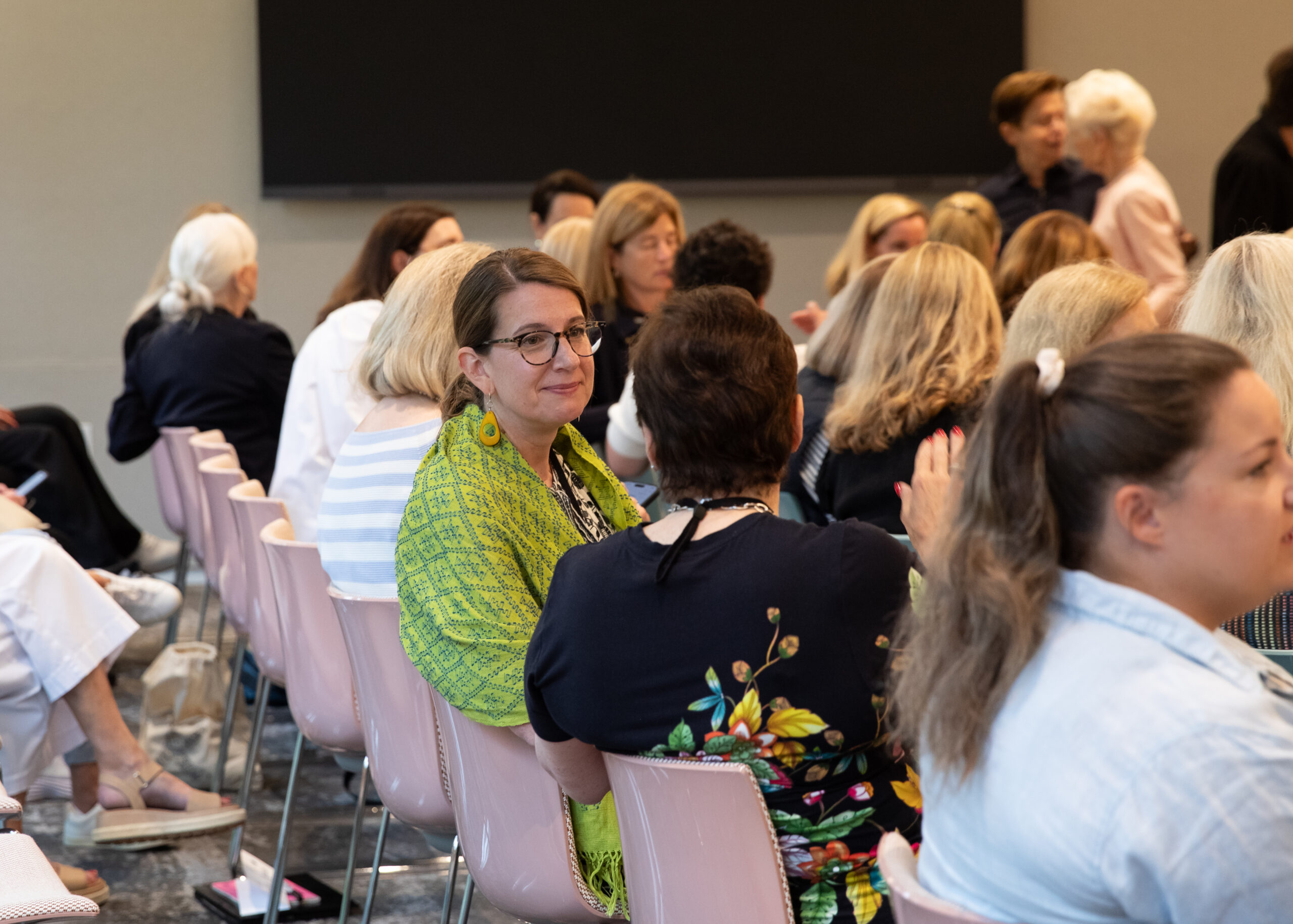
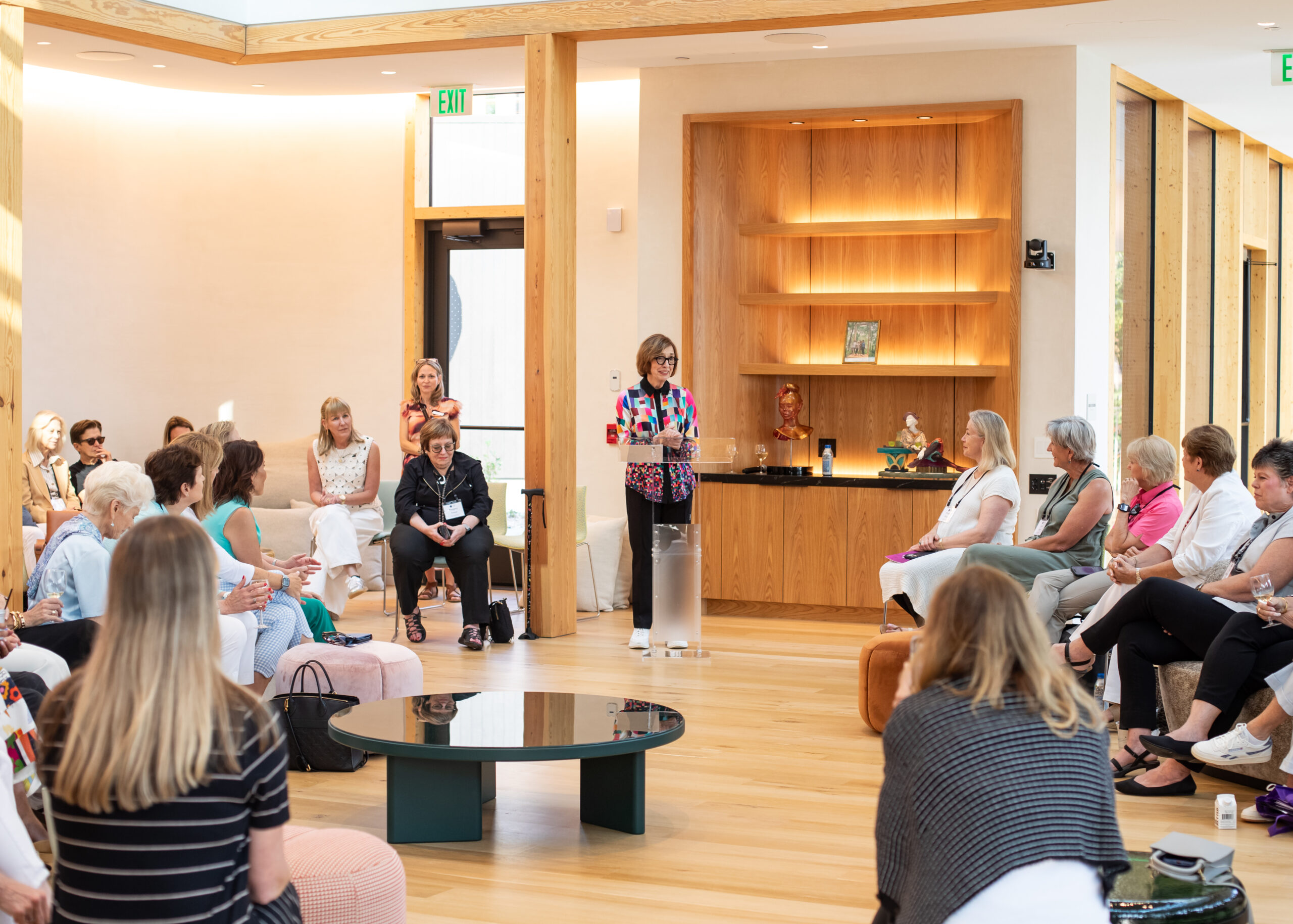
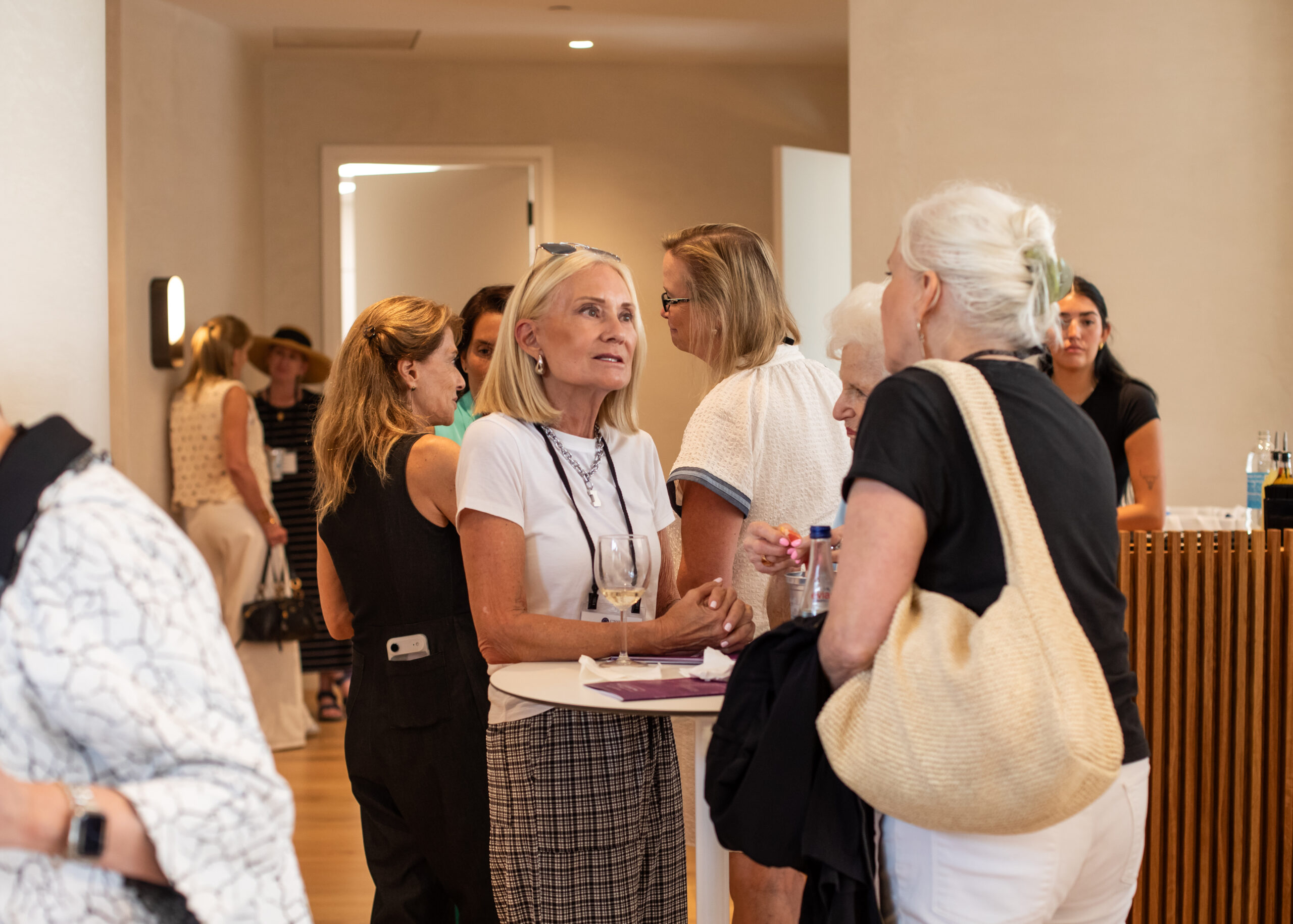
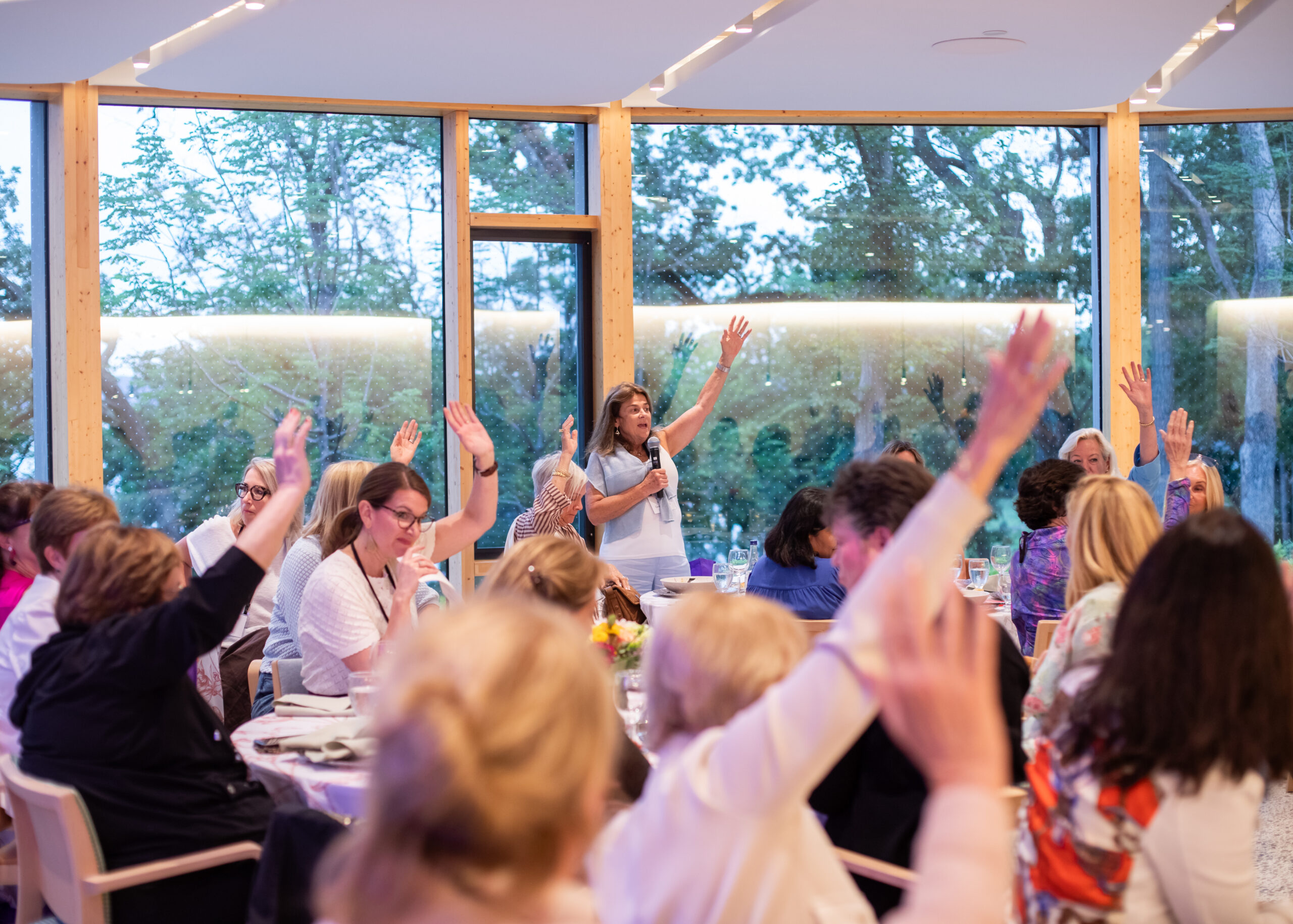
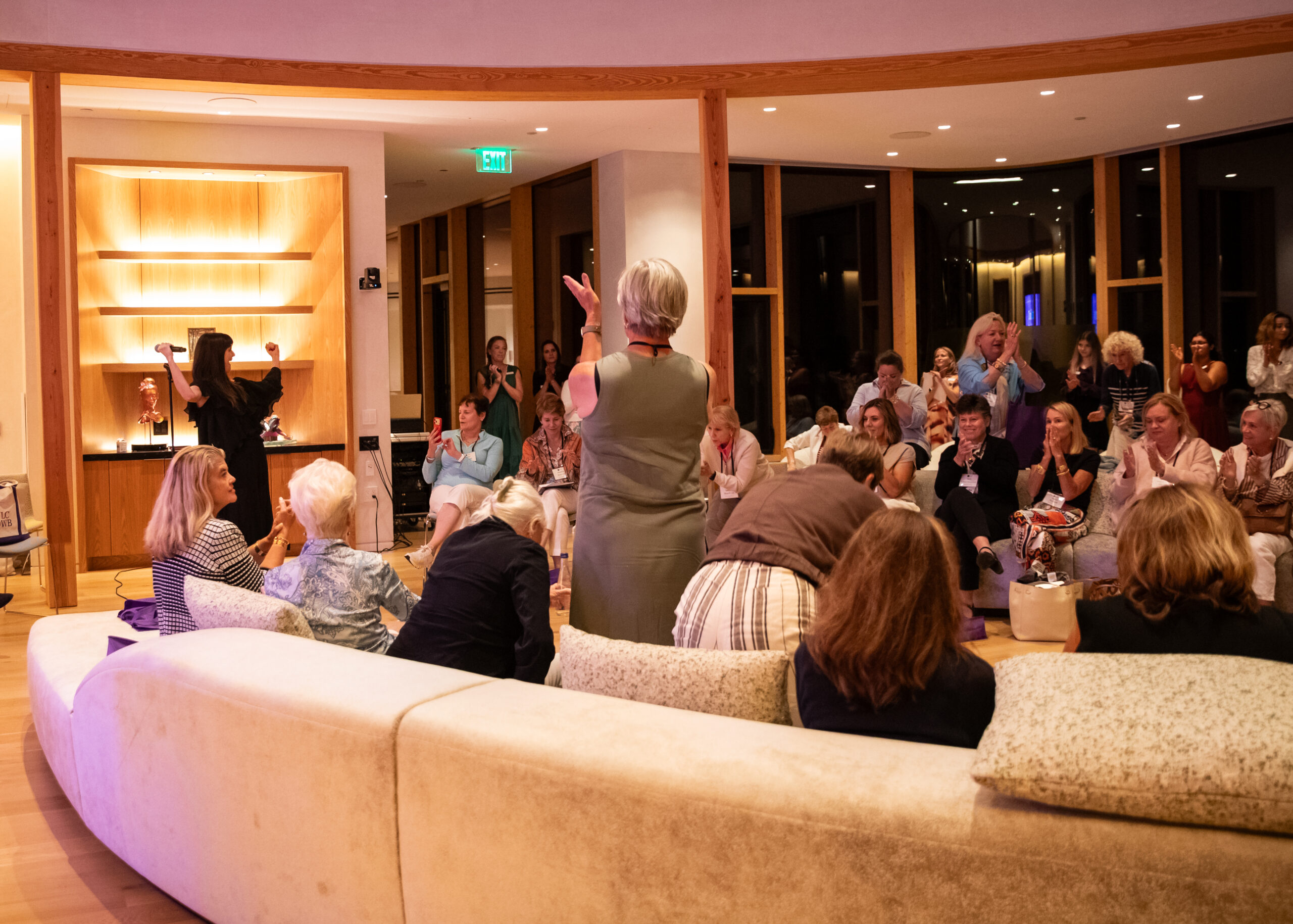
In August 2026, more than 40 years after its founding, C200 members gathered at the Women’s Leadership Center at Williams Bay for a two-and-a-half day “impact retreat” to think about the future of working women—and of C200. The retreat themes were “Open Doors. Break Down Barriers. Shine a Light.” Nearly 60 members assembled from around the country came to reflect on the organization’s mission in a rapidly changing world. C200 launched to help its members succeed. But is that enough now? In a world where gender gaps persist, are there other battles C200 should be joining—or starting?
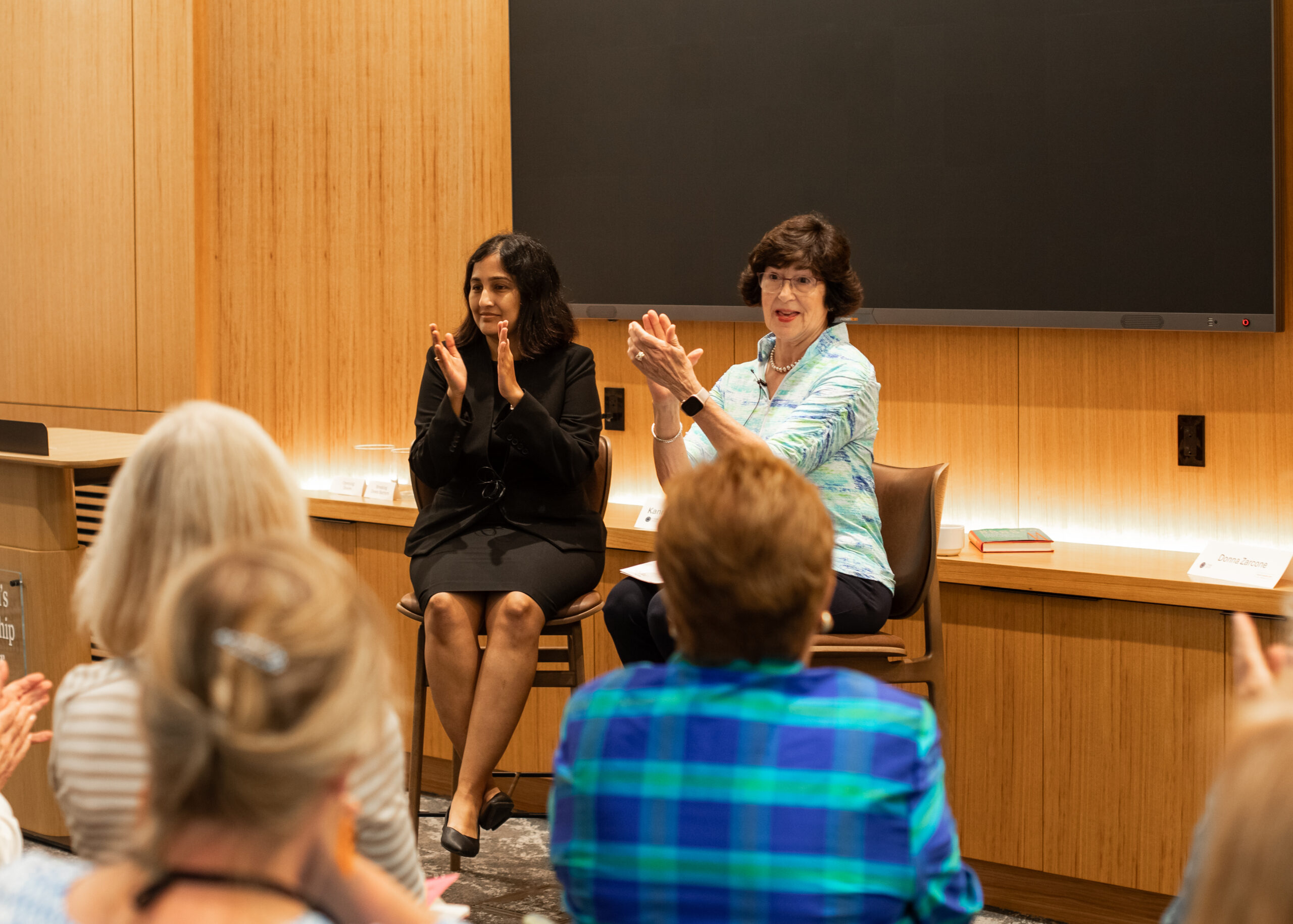
The retreat program blended presentations by content experts, personal shares by women leaders, small group brainstorming, and relaxed time renewing friendships. A key part of the retreat was research from management consultant McKinsey into the reasons women aren’t ascending the corporate ladder as quickly as men—findings that are the basis for the book The Broken Rung: When the Career Ladder Breaks for Women—and How They Can Succeed in Spite of It.[1] McKinsey’s findings underscored that women lack neither education or ambition; rather, the key is building the right “experience capital” early in their careers. In another presentation, Korn Ferry’s research on the career paths of women who have become CEOs was shared. What Korn Ferry discovered is that, despite possessing strong capabilities for CEO-level leadership, few of the women interviewed imagined themselves in that role until tapped for it. Both presentations underscored the importance of “experience capital.” In other words, to advance, women need to take on roles with significant P&L and other operational responsibilities to demonstrate their readiness to run an enterprise.
In breakout and plenary sessions, different teams presented their ideas on “fixing” the broken rung and proposed initiatives for C200 to take on. The retreat ended by consolidating insights and imagining a new path forward for C200. Overall, the convening was judged powerful and productive, in no small part because of the setting. The Center was specially designed to give women leaders a place for deep conversation and creative collaboration, the better to generate fresh thinking about complex questions. Working in such an environment, participants said, contributed to meaningful teamwork and fruitful dialogue.
The impact retreat was a beginning, not an endpoint. A working group has been formed to explore ideas and initiatives from the retreat. C200 is looking to reconvene at the Center in six months to review progress. With a renewed sense of purpose, this powerful group now sees new ways to open doors, break down barriers, and shine a light on what’s possible for women today … and for generations to come.
[1] Ellingrud, Kweilin, Lareina Yee, and María del Mar Martínez. (2025) The Broken Rung: When the Career Ladder Breaks for Women—and How They Can Succeed in Spite of It. Boston, MA: Harvard Business Review Press.